
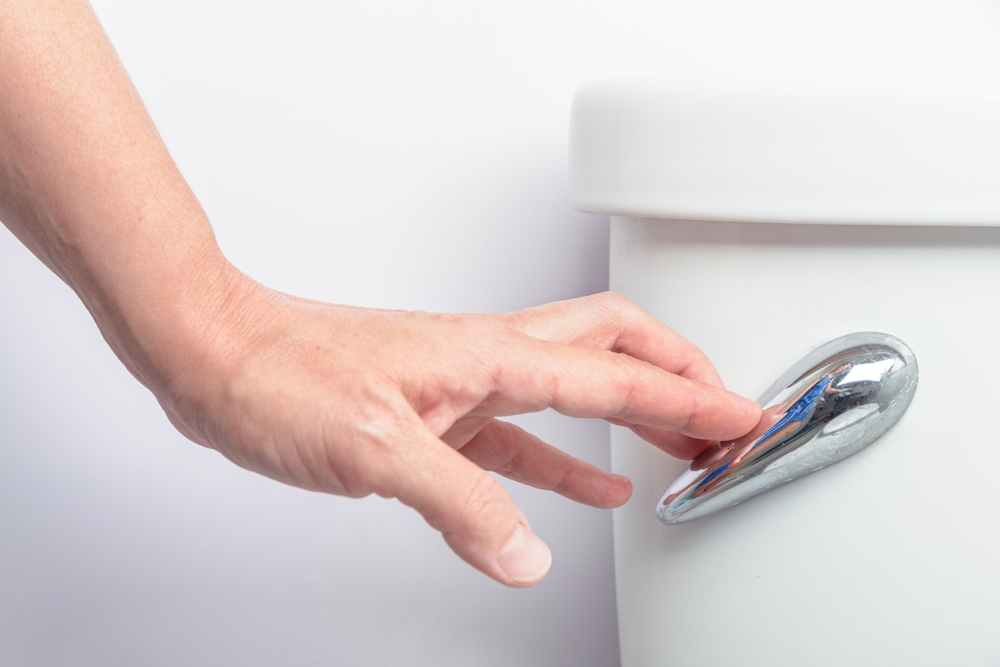
You press the toilet handle like you always do, but instead of a smooth, solid flush, it jiggles. Maybe the handle feels wobbly. Maybe it sticks halfway down. Or worse, you have to hold it in place just to get the toilet to flush completely. It’s a small annoyance at first, but over time, that loose toilet handle becomes harder to ignore.
It’s important to note that a loose handle can actually signal wear and tear inside your toilet tank. Left unaddressed, it could lead to incomplete flushing, constant running water, or even wasted gallons that drive up your utility bill. Fortunately, in many cases, a loose toilet handle is sometimes easy to fix.
Let’s take a closer look at the most common causes of a loose toilet handle, what you can safely repair yourself, and when it’s time to call in the professionals at Saffer Plumbing.
The Most Common Causes of a Loose Toilet Handle
A toilet handle works as part of a simple mechanical system inside your tank. When you push the handle, it lifts a chain connected to the flapper, allowing water to flow from the tank into the bowl. If any part of this system becomes loose or worn, the handle can feel unstable.
1. A Worn or Loose Mounting Nut
Inside the tank, the toilet handle is secured with a mounting nut. Over time, this nut can loosen due to repeated use. When it shifts out of place, the handle becomes wobbly.
Interestingly, most toilet handle mounting nuts are reverse-threaded, meaning you tighten them by turning clockwise from the front but counterclockwise from inside the tank. Many homeowners don’t realize this and accidentally loosen it further. It’s worth double-checking if this is something you did before investing in an entirely new mounting nut.
2. Corroded or Rusted Components
Because toilet tank hardware is constantly exposed to water, metal parts can corrode over time. Corrosion weakens the handle arm or nut, causing instability. If you notice rust flakes or mineral buildup inside the tank, corrosion may be the issue.
3. A Disconnected or Slack Lift Chain
The lift chain connects the handle arm to the flapper. If it becomes disconnected or develops too much slack, the handle may feel loose or fail to engage properly when pressed.
4. A Stripped or Bent Handle Arm
The handle arm (the metal or plastic bar inside the tank) can become bent or stripped with frequent use. If this happens, the handle may wiggle excessively or fail to lift the flapper consistently.
5. General Wear and Tear
Toilets are used multiple times per day, every day. Over the years, even high-quality components simply wear out. A loose handle is often one of the first signs that your toilet has succumbed to general wear and tear.
Step-by-Step DIY Fixes Homeowners Can Safely Attempt
If you’re comfortable performing light plumbing maintenance, you may be able to tighten or adjust your toilet handle yourself.
Step 1: Turn Off the Water Supply
Locate the shut-off valve behind the toilet and turn it clockwise. Flush the toilet to empty most of the tank water.
Step 2: Remove the Tank Lid Carefully
Set the lid aside on a soft surface to prevent cracking.
Step 3: Check the Mounting Nut
Locate the mounting nut securing the handle inside the tank. Gently tighten it (remember, it may be reverse-threaded). Avoid overtightening, as this can crack porcelain or damage plastic parts.
Step 4: Inspect the Lift Chain
Ensure the chain is securely connected to both the handle arm and the flapper. There should be slight slack, but not so much that it fails to lift the flapper fully.
Step 5: Test the Handle
Turn the water supply back on, let the tank refill, and test the flush. If the handle still feels loose, further inspection may be needed.
If the handle arm appears bent or corroded, replacement is often a simple and inexpensive solution.
Warning Signs the Problem Is More Serious Than It Appears
Sometimes, a loose handle is just the symptom. Watch for these other signs that indicate a bigger issue:
- The toilet runs continuously after flushing.
- You hear water refilling frequently without use.
- The flapper doesn’t seal properly.
- Water levels inside the tank seem inconsistent.
- You notice cracks inside the tank.
These issues could signal problems with the flapper, fill valve, overflow tube, or even internal tank damage. Ignoring them can lead to wasted water and higher utility bills.
If tightening the handle doesn’t resolve the problem, or if the toilet continues running, it’s time to call a professional plumber.
When Replacing the Handle Is Better Than Repairing It
In many cases, replacing the handle is more practical than trying to repair worn components. You should consider replacement if:
- The handle is visibly cracked or damaged.
- The internal arm is bent or stripped.
- Corrosion has weakened metal components.
- The handle frequently sticks despite adjustments.
Toilet handles are affordable and widely available, but selecting the correct size and style matters. This is because installing the wrong type can lead to improper flushing or repeated issues.
If you’re unsure which replacement handle fits your toilet model, reach out to your local plumber to ensure compatibility and proper installation.
How Underlying Tank Issues Can Contribute to Handle Problems
A loose handle doesn’t always originate with the handle itself. Internal tank issues can place strain on the flushing mechanism.
For example:
- A warped flapper can require extra force to lift.
- A misaligned fill valve can interfere with the handle arm.
- High water pressure can stress internal components.
- Mineral buildup can restrict movement inside the tank.
If your toilet handle problem keeps returning after adjustments, it’s likely that another internal component is to blame. Addressing the entire flushing system — not just the handle — ensures long-term reliability.
How a Professional Inspection Prevents Recurring Toilet Issues
While tightening a mounting nut may offer a quick fix, recurring toilet handle problems often indicate deeper wear within the system. A professional plumber can inspect all internal components to ensure everything functions properly and efficiently.
At Saffer Plumbing, we carefully examine the entire toilet assembly, identify worn or failing parts, and provide long-lasting solutions. Whether you need a simple handle replacement, flapper repair, or full toilet replacement, we deliver dependable service with attention to detail.
Trust Saffer Plumbing for Expert Toilet Repairs
When your toilet handle feels loose, sticks, or stops working properly, don’t ignore it. What starts as a small inconvenience can quickly turn into ongoing frustration or unnecessary wear.
Saffer Plumbing is the name homeowners trust for quality plumbing solutions. We provide expert toilet repair and replacement services designed to restore reliable performance and efficiency. From diagnosing loose handles to addressing full-system issues, our team ensures your plumbing is in top condition.
If you’re dealing with a loose toilet handle or any other plumbing concern, contact our plumbing repair team in Baltimore, MD, today. We are ready to provide the reliable solutions and peace of mind you deserve.