
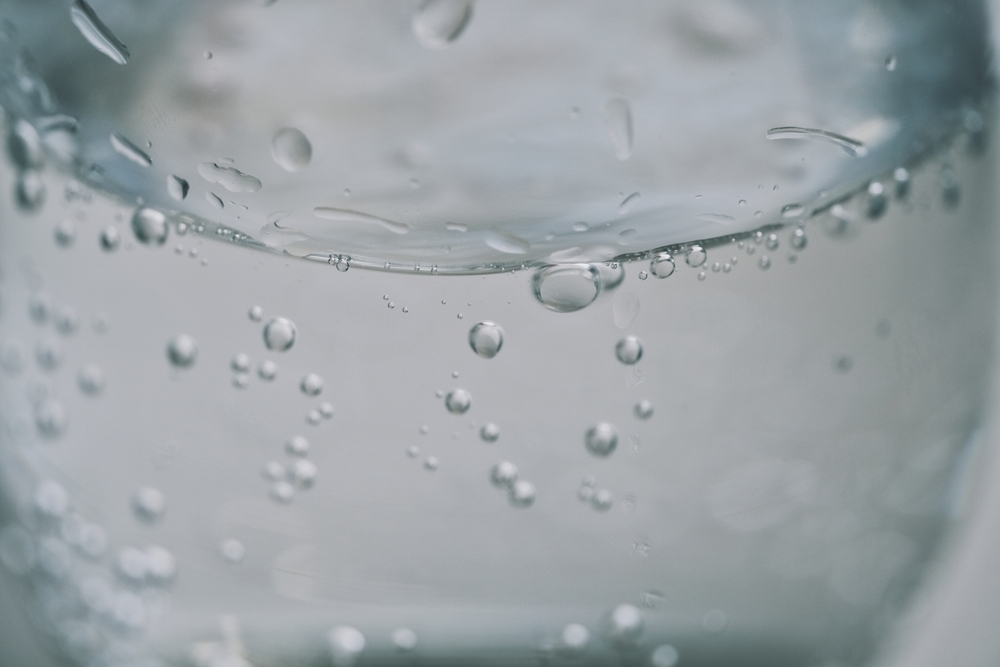
Have you ever filled a glass and watched tiny bubbles swirl around like soda? Within a minute or two, the cloudiness usually vanishes, leaving behind a perfectly clear drink. Of course, it’s worth noting that, in some situations, those bubbles can point to a larger plumbing issue or a water supply change that’s worth checking out.
If you’re in Baltimore, and you’ve been noticing bubbly or cloudy tap water more often than usual, this guide will help you narrow down what’s happening and when it’s time to call a plumber.
Why You May See Bubbles in Your Tap Water
When your drinking water looks cloudy or milky, it is almost always caused by air trapped in the water. These tiny air bubbles are under pressure in your pipes, and when they hit your glass, the pressure is released, and the air escapes to the surface.
Harmless Reasons Your Tap Water Looks Bubbly
- Air in the Line: Sometimes, air gets introduced into your plumbing lines and mixes with the water as it flows. This can happen in normal day-to-day use, and it typically looks like fine bubbles that disappear quickly.
- Temperature Changes: Changes in water temperature can make dissolved gases come out of the water. This creates a reaction similar to how carbonation behaves, especially if cold water (which tends to hold more dissolved gas) hits a slightly warm glass.
- Pressure Changes: Pressure changes can create a similar effect, especially if your neighborhood sees fluctuations during peak water use times. You will know this is the case when bubbling happens at certain times of the day, or when you run multiple fixtures at once.
- High-Efficiency Aerators: Your faucet aerator is the small screen at the tip of the faucet. It’s designed to mix air into the stream to reduce splashing and improve flow. That air, however, can make the water look bubbly or even “milky” for a few seconds.
- Recent Utility Work: If Baltimore’s water utility has been flushing hydrants, repairing a main, or doing scheduled maintenance, air can enter the system temporarily. This usually resolves itself after running the water for a few minutes.
- Water Moving Fast Through Fixtures: High-flow fixtures, partially opened valves, or certain faucet designs can move water quickly enough that it “whips” air into the stream. This can look like a burst of tiny bubbles when you first turn the water on.
When Bubbly Tap Water Might Be a Concern
If your water doesn’t clear up within 60 seconds of sitting in a glass, or if the bubbles are accompanied by other symptoms, it’s time to take a closer look at your plumbing as a whole.
Persistent Cloudiness
If you fill a glass and the water stays cloudy after several minutes, or if particles settle at the bottom of the cup, you are likely not dealing with just air. Persistent cloudiness can indicate sediment, contamination, corrosion, and other issues in the plumbing or supply line. In some cases, you may need a plumbing repair, but in others, you may only require a water treatment system, like a whole-home water filter.
Odd Odor or Taste
Air itself is odorless. If your bubbly water smells like rotten eggs (sulfur) or has a metallic taste, it’s a sign of bacterial growth or pipe corrosion. In these cases, the bubbles aren’t the problem; they are just a carrier for the underlying contamination. A professional inspection can help determine whether the issue is within your plumbing or coming from the supply.
Sputtering Faucets
If the faucet spits, coughs, or releases bursts of air frequently, there may be more than a small bubble in the line. For example, sputtering can be tied to pressure irregularities, valve issues, or air being pulled into the system somewhere it shouldn’t.
Banging Pipes (Water Hammer)
Bubbly water combined with banging, knocking, or thudding pipes can point to pressure problems or loose plumbing. You will want to address water hammer as soon as possible, as excess air and high pressure can damage pipe joints and lead to leaks over time.
Sudden Pressure Changes
If you’re seeing bubbly water and also experiencing sudden pressure spikes or drops, the issue may be tied to a pressure regulator problem, an obstruction, or changes in the municipal supply pressure. A licensed plumber can measure and stabilize your system to prevent future damage.
Bubbles Only in the Hot Water
If only your hot water looks bubbly or cloudy, your water heater may be involved. Water heaters can trap air and develop sediment issues when internal components aren’t operating efficiently. This may then mean your hot water comes out bubbly or milky while your cold water continues to run clear. Stop using your hot water, and schedule a water heater repair with our team as soon as possible.
Call Saffer Plumbing for Peace of Mind
If you spot bubbly tap water only on occasion, it may be nothing more than air in the line or a minor pressure change. But if the bubbles don’t clear within minutes or show up alongside other problems, it’s smart to get your plumbing checked out.
At Saffer Plumbing, we help homeowners throughout Baltimore, MD, pinpoint what’s causing changes in water appearance and performance. We’ll inspect your plumbing, assess pressure and fixture conditions, and recommend the right fix so you can feel confident every time you turn on the tap.
If your tap water has been bubbly and you’re not sure why, contact Saffer Plumbing today. We’ll help you get clear answers and clear water.