
It’s a weekday morning in a busy household. The alarm goes off, lunchboxes are packed, kids are woken up, and the shower is the final step before everyone runs out the door. You hop in expecting a warm, steady stream, only to feel the water turn lukewarm, then cold. Someone definitely “stole” the last of the hot water. Now, you’re standing there, irritated, waiting for the water heater to recover while the clock keeps ticking.
If that scenario sounds familiar, your water heater may not be the right match for your household. The good news is that choosing the right water heater can help you minimize moments like these by ensuring your new unit is properly suited for your home’s hot water demands.
When it’s time to replace your system, you have two main options: traditional tank water heaters and tankless water heaters. We’re here to break down the differences so you can make an informed decision.
How Traditional Tank Water Heaters Work
A tank water heater is the classic setup many homeowners grew up with. It stores a set amount of hot water (commonly 30, 40, or 50 gallons) in an insulated tank. A gas burner or electric heating element then warms the water and keeps it at a set temperature.
Because the tank is always holding heated water, it’s prepared for multiple uses throughout the day — until the supply runs low. Once the tank’s hot water is used up, you’ll need to wait for it to heat back up, which is where those “someone stole the hot water!” mornings tend to happen.
How Tankless Water Heaters Work
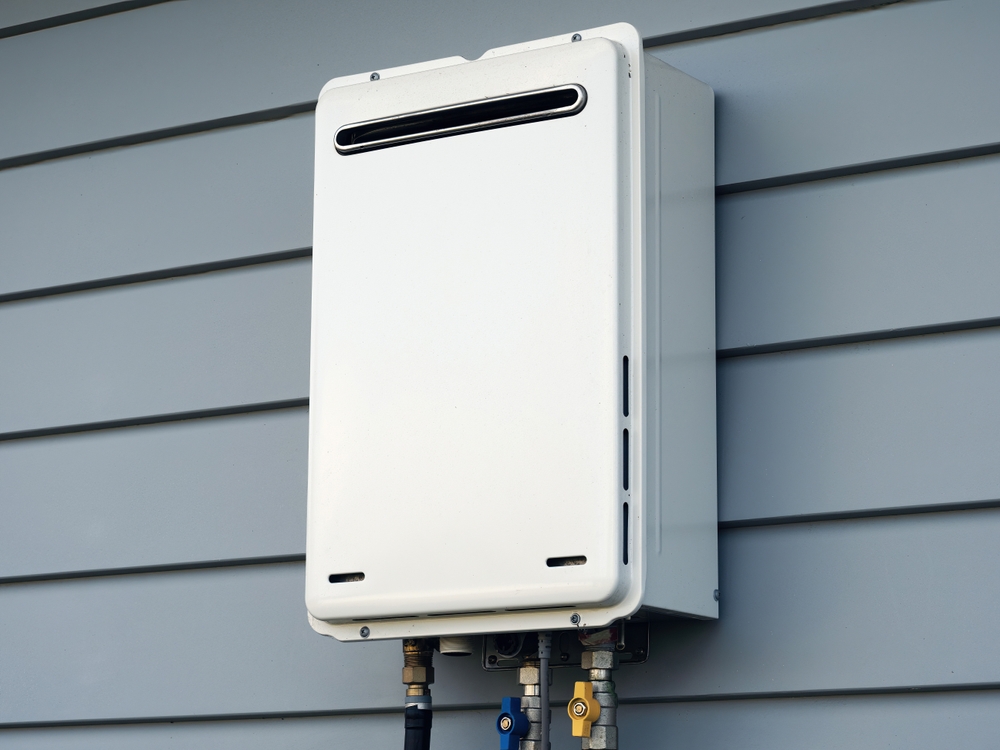
A tankless water heater (also called an “on-demand” water heater) doesn’t store hot water. Instead, it heats water only when you need it.
When you turn on a hot water tap:
- Cold water flows through the unit.
- A heat exchanger quickly warms the water using gas burners or electric components.
- Hot water is delivered to the faucet or appliance as long as the system can keep up with demand.
Because there’s no tank to empty, tankless units are popular for homeowners who want long showers without worrying about running out. That said, tankless performance depends on the unit’s sizing and your home’s simultaneous hot water use. If multiple showers and appliances run at the same time, even a tankless system can be pushed to its limits unless it’s properly selected.
Key Differences at a Glance
Here’s a quick comparison to help you see the big picture before we dive deeper:
The Pros of Tank Water Heaters
- Lower upfront cost in many cases, making them budget-friendly for replacements
- Familiar, straightforward operation and maintenance
- Can deliver strong hot water output right away for everyday needs
- Often easier to swap in if you’re replacing an existing tank unit
The Cons of Tank Water Heaters
- Limited by tank capacity (once it’s empty, you have to wait for recovery)
- Standby heat loss (energy used to keep stored water hot even when you’re not using it)
- Larger footprint (i.e., it takes up more room or closet space)
- Sediment buildup over time can reduce performance without routine maintenance
The Pros of Tankless Water Heaters
- Provides hot water on demand, so you don’t “run out” in the traditional sense
- Typically uses energy only when hot water is needed (no heated storage tank)
- Compact design that can free up space
- Can be a strong long-term option when sized correctly for the home
The Cons of Tankless Water Heaters
- Higher upfront cost compared to many tank systems
- Hot water delivery can be limited if multiple fixtures run at once
- Installation may require upgrades (venting, electrical, or gas line adjustments)
- Needs regular descaling/maintenance, especially in areas with harder water
Everything You Need to Know About Traditional vs. Tankless Water Heaters
Hot Water Performance
A tank heater can deliver a strong supply of hot water right away until it reaches the point when the tank is completely depleted. Once it’s empty, recovery time kicks in. In a home with back-to-back showers, laundry, and dishwashing happening in a tight window, the tank may struggle if it’s undersized. Because of this, tank systems are often a good fit for households that have predictable routines and don’t run many hot water fixtures at the same time.
Tankless systems, on the other hand, shine when hot water needs are spread throughout the day, or when someone wants a long shower without racing the clock. Of course, you must note that tankless units are rated by how much hot water they can produce at once (their flow rate). If you run multiple hot-water fixtures at the same time, the system may not keep up. For this reason, tankless options often work well for households that have moderate simultaneous hot water use and want a more “as-needed” approach to receiving hot water.
Energy Use
Even with insulation, a tank system uses energy to maintain temperature throughout the day and night, whether you’re using hot water or not. That standby heating can increase energy consumption over time, especially if the water heater is older or the tank insulation isn’t as effective.
In contrast, tankless water heaters generally avoid standby energy loss because they aren’t keeping a large tank hot 24/7. They run when demand starts and stop when demand ends. That on-demand approach can be attractive to homeowners aiming to reduce unnecessary energy use.
Space Considerations
A tank water heater takes up a sizable portion of your basement, utility closet, laundry room, or garage. It also requires enough clearance for safe operation and service access. For homes with limited space, this tank can feel bulky and bothersome.
Tankless units are more compact and often wall-mounted, which can free up valuable storage or floor space. This is a major selling point for smaller homes, condos, and households that want a cleaner, less cluttered utility area.
Maintenance Needs
Traditional water heaters require routine care, as sediment can build up inside the tank over time (especially in areas with harder water). This buildup can reduce efficiency and strain components. Regular maintenance, therefore, helps performance and can extend the unit’s lifespan.
Tankless water heaters also require upkeep (such as descaling and cleaning). Because tankless systems have narrow pathways and heat exchangers that work hard during operation, staying on top of maintenance is key for reliability and long-term performance.
Cost Considerations
Tank water heaters typically have a lower purchase price and may be less expensive to install, especially if you’re doing a like-for-like replacement. That makes them a common choice for homeowners who want a dependable solution without a larger upfront investment.
On the other hand, tankless water heaters usually come with a higher initial cost, and installation can be more involved depending on your home’s setup. However, many homeowners consider the longer-term benefits — like space savings and greater efficiency — worth exploring.
Choosing the Right Water Heater for Your Home
There’s no single “best” water heater for everyone. The right choice depends on your home, your routine, and the people living in it. This means that, for some households, a properly sized traditional tank water heater is the perfect blend of simplicity and reliability. For others, tankless units offer the on-demand convenience that makes busy mornings less stressful.
If you’re in the Baltimore area and want expert guidance about your water heater installation, contact Saffer Plumbing. Our professional plumbers can help you compare tank vs. tankless water heaters, review your household’s usage patterns, and recommend a system that keeps the hot water flowing, so nobody has to “steal” the last of it again.