
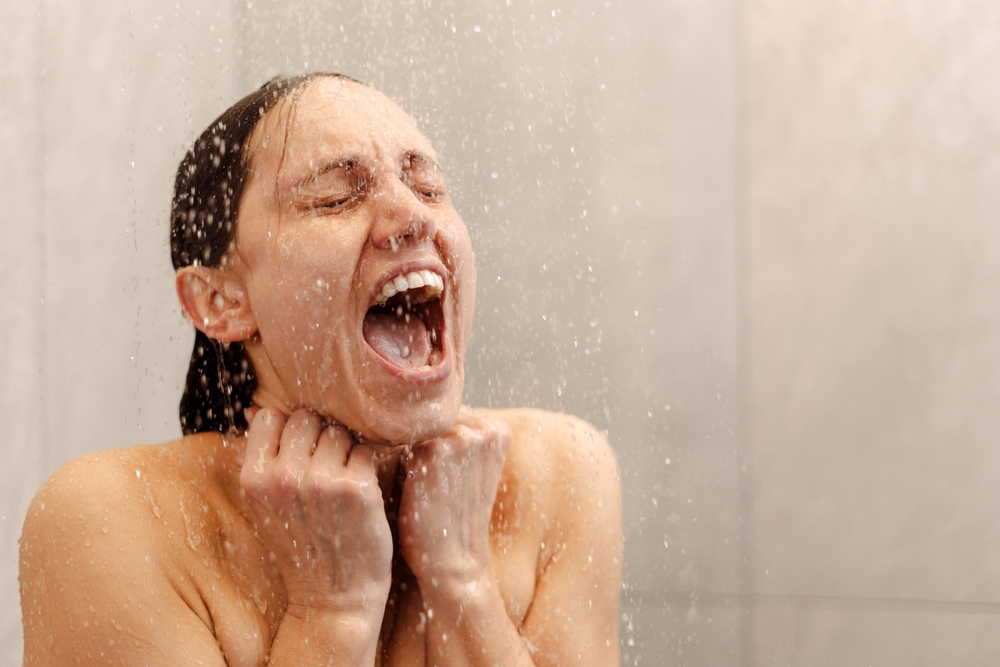
There’s nothing quite as jarring as stepping into a comfortable shower only to have the water suddenly surge to scalding temperatures when someone flushes a toilet elsewhere in the house. This common plumbing frustration can make showering stressful and even unsafe, particularly for children or older adults.
Fortunately, understanding why these temperature spikes happen and knowing how to address them can restore consistent comfort and protect your plumbing system. At Saffer Plumbing, we specialize in diagnosing and fixing residential plumbing issues for Baltimore homeowners. With decades of experience, we can provide reliable solutions to ensure your showers stay comfortable and safe.
Let’s take a closer look at why showers turn hot after flushing the toilet.
Why Shower Temperature Spikes Occur
Several factors contribute to sudden hot water surges when a toilet is flushed. The most common include:
- Pressure Changes in the Plumbing System: When a toilet flushes, water flow is diverted, causing a sudden drop in cold water pressure. In homes without proper pressure-balancing devices, this can result in a temporary spike in hot water to your shower.
- Shared Water Lines: Many homes have multiple fixtures connected to the same supply lines. Flushing a toilet on a shared line can temporarily change the balance between hot and cold water, creating temperature fluctuations in other fixtures.
- Faulty or Worn Pressure-Balancing Valves: Modern shower faucets often include pressure-balancing valves designed to maintain consistent temperatures. Over time, these valves can wear out, become clogged, or fail, allowing hot water surges to occur when cold water is diverted elsewhere.
Diagnosing Plumbing Issues That Affect Shower Temperatures
Identifying the root cause of temperature swings requires a careful inspection of your plumbing system:
- Check Pressure-Balancing Valves: A licensed plumber can examine the shower’s pressure-balancing valve to ensure it’s functioning correctly. Faulty or outdated valves may need replacement to restore consistent water temperatures.
- Evaluate Water Heater Output: If the water heater is oversized, undersized, or experiencing sediment buildup, it can affect hot water availability and pressure. Balancing the water heater’s output with household demand helps prevent sudden temperature spikes.
- Inspect Water Pressure Throughout the Home: High or uneven water pressure can exacerbate temperature fluctuations. A plumber can measure your home’s water pressure and install a pressure-reducing valve if necessary.
Solutions for Consistent Shower Water Temperatures
Once the cause of hot water surges is identified, several solutions can help maintain a steady temperature:
- Install or Replace Anti-Scald/Pressure-Balancing Valves: Modern anti-scald valves regulate hot water flow, preventing sudden temperature spikes and improving safety for all household members.
- Adjust Water Pressure: Ensuring that both hot and cold water pressures are balanced reduces temperature swings when multiple fixtures are in use.
- Upgrade or Maintain Your Water Heater: Regular maintenance, including flushing and inspection, keeps your water heater performing efficiently. In some cases, upgrading to a tankless or higher-capacity unit may be the best solution for households with high hot water demand. It’s helpful to note that, in some situations, a simple water heater repair could solve problems with spiking water temperatures.
- Separate High-Demand Lines: For homes where multiple bathrooms or fixtures share the same lines, a plumber may recommend reconfiguring plumbing to reduce interference between fixtures.
Don’t Let Your Shower Problems Scald You!
If you’ve noticed your shower suddenly getting hot when someone flushes a toilet, it’s time to call a professional. Saffer Plumbing has the experience, tools, and knowledge to diagnose the cause, implement reliable solutions, and restore safe, consistent water temperature in your home.
From shower repairs and replacements to water heater maintenance, our Baltimore plumbing experts can provide tailored solutions that fit your home and household needs. Reach out today to schedule an inspection and enjoy worry-free showers all year round.
Frequently Asked Questions
Can I fix hot water surges myself?
While minor adjustments to your shower handle or water pressure may help, most temperature fluctuations require professional evaluation to ensure safety and prevent further plumbing issues.
Are anti-scald valves required by building codes?
Many jurisdictions require anti-scald or pressure-balancing valves in new construction or bathroom renovations. Even if not required, they are strongly recommended for safety.
How long does it take a plumber to fix these issues?
Depending on the root cause, plumbing repairs or upgrades typically take 1-3 hours, including valve replacement, water pressure adjustments, or minor plumbing modifications.
Will this solve hot water issues in all bathrooms?
Proper diagnosis ensures that corrective measures, such as installing pressure-balancing valves or adjusting water heater output, provide consistent hot water throughout your home.