
If your home relies on a traditional tank-style water heater, you may have wondered whether it’s time to upgrade to a modern tankless system. With promises of endless hot water, energy savings, and space efficiency, tankless water heaters have become increasingly popular among homeowners. But like any home improvement decision, choosing the right water heater requires careful consideration of your household’s hot water needs, energy goals, and budget.
At Saffer Plumbing, we help Baltimore homeowners navigate this choice with professional guidance and installation expertise for both tank and tankless water heaters. When you reach out to our team, we will help you explore the pros and cons of tankless water heaters, so you can make a decision that fits your home and lifestyle.
How Tankless Water Heaters Work
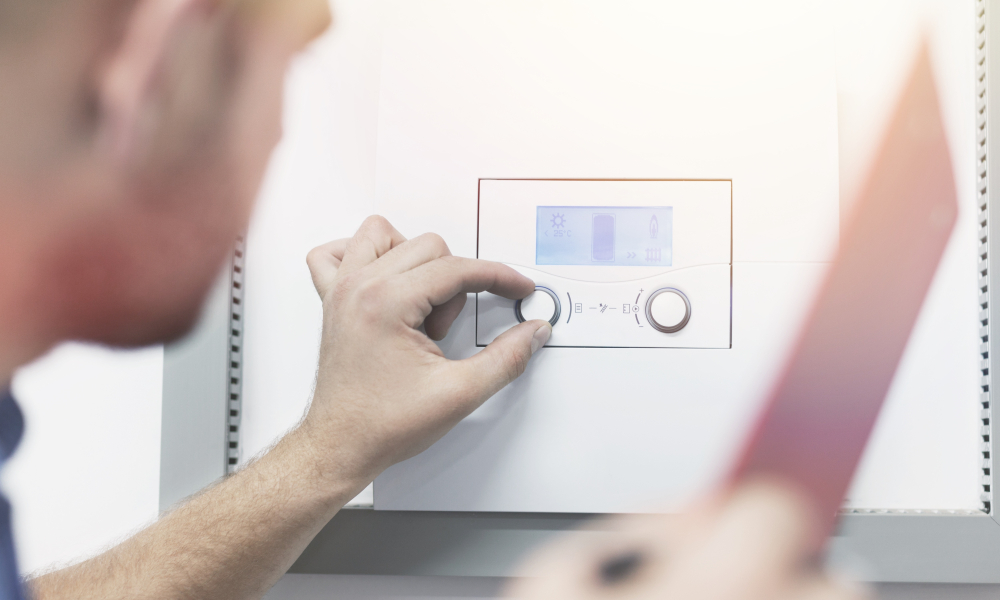
Unlike traditional tank water heaters that store a set amount of hot water, tankless water heaters heat water on demand. When a hot water tap is opened, cold water flows through the unit and is rapidly heated by an electric element or gas burner. This allows homeowners to enjoy hot water continuously without the need to wait for a storage tank to refill and reheat.
Tankless water heaters are also compact, wall-mounted units, making them ideal for homes where space is at a premium. Their design even reduces the risk of leaks associated with aging storage tanks.
The Benefits of Upgrading to a Tankless System
1. Enhance Energy Efficiency
Tankless water heaters only heat water when it’s needed, which eliminates standby heat loss that occurs with traditional tanks. This efficiency can translate to lower energy bills over time, especially for households that use moderate amounts of hot water.
2. Endless Hot Water
Since the system heats water on demand, homeowners can enjoy virtually unlimited hot water for showers, laundry, and dishwashing without running out mid-use. This is particularly beneficial for large families or homes with high simultaneous water usage.
3. Space Savings
Tankless units are compact and wall-mounted, freeing up floor space that would otherwise be occupied by a bulky storage tank. This can be an advantage in homes with limited utility room or basement space.
4. Longer Lifespan
Tankless water heaters often last 20 years or more with proper maintenance, compared to the 10-15 year lifespan typical of traditional tank units. Regular maintenance can further extend system longevity and efficiency.
Potential Drawbacks & Considerations for Tankless Water Heaters
While tankless systems offer many advantages, there are a few considerations homeowners should keep in mind:
- Higher Upfront Cost: Tankless water heaters generally cost more to purchase and install than traditional tank systems. Installation may even require upgrading gas lines, electrical wiring, or venting to meet the unit’s requirements.
- Flow Rate Limitations: While tankless systems provide continuous hot water, they have a maximum flow rate. If multiple fixtures (e.g., the shower and dishwasher) demand hot water simultaneously, the system may struggle to keep up unless it is properly sized for the home.
- Maintenance Requirements: To maintain efficiency and prevent scale buildup, tankless water heaters require annual descaling or flushing, particularly in areas with hard water. Neglecting maintenance can shorten the lifespan or reduce performance.
- Retrofitting Challenges: In some homes, replacing a traditional tank with a tankless unit may require significant modifications to plumbing, gas lines, or venting. Professional assessment is essential to ensure proper installation and safety.
Comparing Tank vs. Tankless Water Heaters
| Feature | Traditional Tank Water Heater | Tankless Water Heater |
| Hot Water Supply | Limited by tank size; may run out | Continuous on-demand hot water |
| Energy Use | Standby heat loss | Heats water only as needed |
| Lifespan | 10-15 years | 20+ years with maintenance |
| Space Requirements | Larger, floor-mounted | Compact, wall-mounted |
| Upfront Cost | Lower | Higher installation cost |
| Maintenance | Minimal | Annual flushing recommended |
Choosing between a tank vs. tankless water heater depends on your household size, hot water demand, energy efficiency goals, and budget.
Make the Right Choice for Your Home
Upgrading to a tankless water heater can provide energy savings, endless hot water, and long-term reliability, but it’s important to consider the upfront costs, flow limitations, and maintenance requirements.
At Saffer Plumbing, we help Baltimore homeowners evaluate their options and provide professional water heater installation, repair, and maintenance. You can rely on our team to recommend a new system that is sized correctly for your home.
Get in touch with our friendly professionals today to schedule a consultation and learn whether a tankless water heater is the right choice for your home.
Frequently Asked Questions
Can I replace my old tank water heater with a tankless system myself?
Professional installation is strongly recommended. Tankless units require specific venting, electrical, and gas connections for safety and optimal performance.
Will a tankless system provide enough hot water for my family?
Proper sizing is key. A plumber can assess your home’s water usage and recommend a unit that meets your household’s demand.
Can tankless water heaters save money on energy bills?
Yes. By heating water only when needed and avoiding standby heat loss, tankless units can reduce energy consumption and lower utility costs over time.
How often should a tankless water heater be maintained?
Annual descaling and flushing are recommended to remove mineral buildup and ensure consistent performance, especially in areas with hard water.