
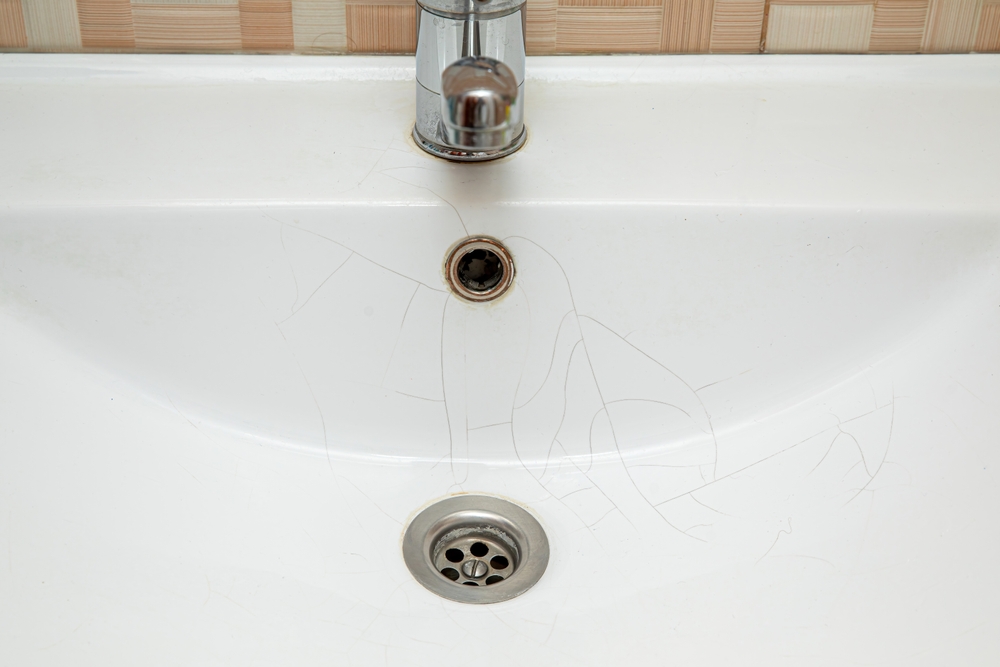
At first glance, a small hairline crack in your toilet or sink might not seem like a big deal. In fact, many homeowners don’t even notice these cracks until there’s water on the floor, unexplained moisture in the cabinet below, or a sudden break that demands immediate attention.
While porcelain fixtures are known for their strength and durability, once they crack, their structural integrity is compromised. Ignoring even a small crack in a toilet or sink can lead to leaks, water damage, sanitation issues, and costly repairs. Acting early, therefore, is key to protecting both your plumbing system and your home.
Let’s explore how porcelain cracks form, why they shouldn’t be ignored, and when it’s time to call in professionals like Saffer Plumbing in Baltimore, MD.
How Cracks Form in Porcelain Toilets and Sinks
Porcelain is strong, but it’s not indestructible. Several common factors can lead to cracks in bathroom and kitchen fixtures, including:
Impact Damage
Accidental drops are one of the most common causes of cracked porcelain. Dropping a heavy object, such as a tool, bottle, or decorative item, into a sink or toilet bowl can create hairline fractures. Even if the crack appears minor at first, it can expand over time.
Temperature Changes
Extreme temperature fluctuations can stress porcelain. Pouring very hot water into a cold sink, for example, can cause expansion and contraction that weakens the material. Over time, this repeated stress can lead to cracking.
Aging Materials
Like all materials, porcelain deteriorates with age. Older toilets and sinks may become more brittle, especially if they’ve endured years of heavy use or exposure to harsh cleaning chemicals.
Overtightened Bolts
When installing or repairing a toilet, bolts that secure the fixture to the floor or tank must be tightened carefully. Over-tightening can create stress fractures in the porcelain. These cracks may not be visible immediately but can worsen with continued use.
The Dangers of Ignoring Small Cracks in Toilets & Sinks
It’s easy to dismiss a tiny crack as harmless, especially if there’s no immediate leak. However, cracked porcelain presents real risks.
Water Leaks
In toilets, cracks in the tank may slowly leak water onto the floor or behind walls. In sinks, cracks can allow moisture to drip into cabinets, damaging wood and stored items.
Structural Failure
Porcelain loses strength once cracked. And a toilet bowl with a growing crack can eventually give way under pressure, potentially causing sudden breakage. This can result in a significant water release and property damage.
Mold Growth
Persistent moisture from slow leaks creates the perfect environment for mold and mildew. Mold growth behind walls or under flooring can become costly to remediate and may impact indoor air quality.
Flooding
If a cracked toilet tank or bowl fails suddenly, it can release gallons of water in a short time. Flooding can damage flooring, drywall, baseboards, and personal belongings.
Health and Sanitation Concerns From Hidden Leaks
Beyond structural risks, cracked fixtures pose sanitation concerns.
For example, toilets contain wastewater filled with bacteria. If cracks allow leakage around the base or from the tank, contaminated water can spread to surrounding surfaces. Even small amounts of hidden moisture can harbor bacteria and create unsanitary conditions.
Similarly, sink leaks under cabinets often go unnoticed until musty odors or warped wood appear. Mold spores thrive in these damp, dark environments and can spread quickly if not addressed.
Because of all of this, protecting your home’s hygiene starts with addressing damaged fixtures promptly.
Signs a Cracked Toilet or Sink Requires Immediate Replacement
Not all porcelain cracks are visible from a distance. So, homeowners should regularly inspect their fixtures and watch for warning signs such as:
- Water pooling around the base of the toilet
- Unexplained increases in water bills
- Visible hairline fractures inside the bowl or tank
- Discoloration around cracks
- Wobbling or instability in the toilet
- Persistent dampness in cabinets beneath sinks
Cracks in the toilet bowl itself are particularly concerning. Because the bowl supports body weight, any structural weakness can pose a safety risk. If you notice a crack inside the bowl or along the base, replacement should not be delayed.
Why Patching or Sealing Cracked Porcelain Is a Temporary Solution
Some homeowners attempt to patch sink and toilet cracks with waterproof sealants or epoxy. While these products may offer short-term relief, they rarely provide a permanent solution. Here’s why:
- Sealants don’t restore structural integrity.
- Cracks often expand beyond the visible surface.
- Water pressure can break through patches.
- Repaired areas may not withstand daily use.
In most cases, patching buys time but does not eliminate the underlying risk. Especially for toilets, replacement is often the safest and most cost-effective long-term option.
The Benefits of Professional Fixture Replacement
Replacing a cracked toilet or sink isn’t just about removing the damaged unit; it’s about ensuring proper installation and preventing future problems.
When you work with a professional plumber when it’s time to replace plumbing fixtures, you benefit from:
Accurate Diagnosis
Sometimes, what appears to be a crack is actually a surface glaze issue or vice versa. A professional inspection determines whether repair or replacement is necessary.
Safe Removal
Toilets and sinks must be disconnected from water supply lines and properly sealed during removal. Incorrect removal can damage flooring or plumbing connections.
Proper Installation
Ensuring bolts are tightened correctly, seals are secure, and water lines are properly connected prevents future leaks and stress fractures.
Modern Upgrades
Replacement provides an opportunity to upgrade to water-efficient fixtures, improving performance and reducing water usage.
Let Us Help Repair Your Cracked Toilet or Sink
Cracked porcelain may seem like a small issue, but it can quickly escalate into water damage, sanitation concerns, and costly repairs. Acting early protects your home and gives you peace of mind.
At Saffer Plumbing, we have extensive experience inspecting, repairing, and replacing toilets and sinks. Our skilled technicians carefully evaluate each situation, recommend the safest solution, and complete installations with precision and care. We can also help you upgrade or repair faucets at the same time we fix your sink.
If you’ve noticed a crack or suspect one is forming, contact our experts today to schedule an inspection and ensure your plumbing fixtures are safe, secure, and functioning properly.