
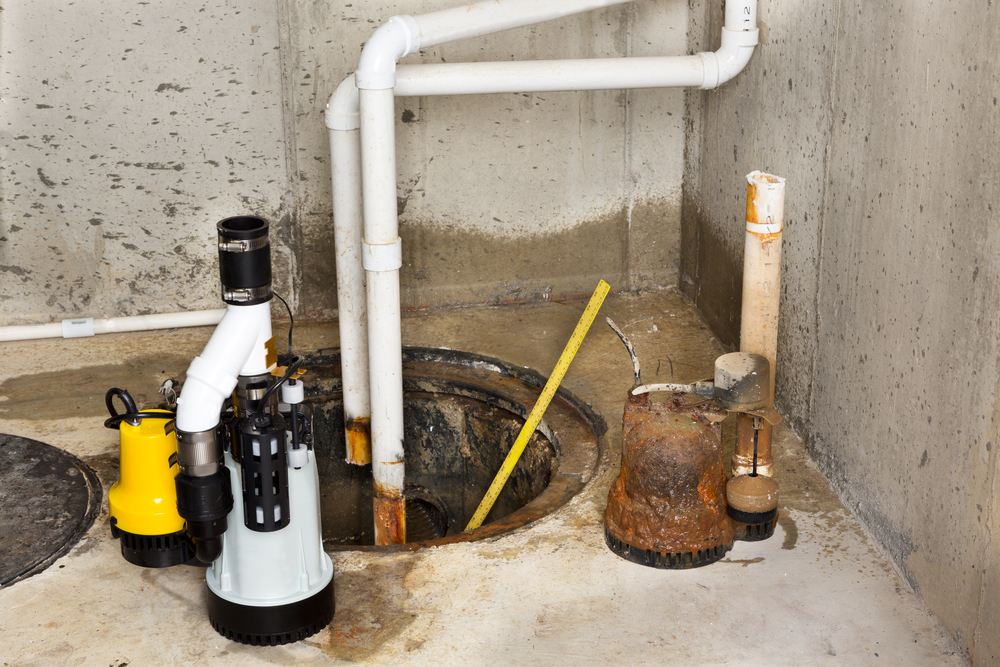
When it comes to protecting your home from water damage, few appliances are as crucial as the sump pump. Typically installed in the lowest part of a basement or crawlspace, a sump pump is designed to remove excess water that accumulates in a sump basin, often due to rain or natural groundwater. These devices are critical in preventing flooding, structural damage, and the growth of mold and mildew.
Despite their vital role and generally robust design, sump pumps are not infallible. When they do fail, the consequences can be both costly and devastating. Fortunately, many sump pump failures are avoidable. By understanding why a sump pump fails and implementing timely solutions, homeowners can stay one step ahead of disaster.
Power Outages: The Most Common Culprit
One of the primary reasons for sump pump failure is a power outage. Since these systems rely on electricity, a sudden outage can leave your pump inactive at the exact moment it’s needed most. In some cases, you can flip a circuit breaker to restore power, but in many others, such as during a severe storm, this step won’t work, and you’ll be left without a running sump pump until power is restored.
Solution: Installing a backup battery system or a water-powered backup sump pump can provide peace of mind during storms. These systems automatically kick in when the main pump loses power for continuous protection.
Poor Installation
A sump pump might be a relatively small device, but its installation is far from a plug-and-play process. Inexperienced DIY efforts or unqualified contractors can lead to improper installation, which may cause the pump to fail prematurely.
Solution: Always hire a certified and experienced plumber to install your sump pump. A professional will place the pump in the correct spot, make secure electrical connections, and properly fit and lay the discharge line.
Lack of Maintenance
Would you expect your car to run smoothly after ignoring oil changes and tune-ups for years? Probably not. The same logic applies to your sump pump. Many homeowners neglect routine maintenance, not realizing that accumulated debris or a clogged discharge line can spell disaster — until they’re left with a flooded basement because their sump pump couldn’t operate correctly due to a clog.
Solution: Schedule regular inspections and cleanings for your sump pump, especially before the rainy season. A qualified plumber will clear the sump basin of debris, test the float switch, and make sure the discharge line is not blocked.
Switch and Float Problems
Sometimes, a sump pump fails because of faulty components. For example, the float may get stuck, or the switch may burn out. Because the float and switch are responsible for activating the pump when water levels rise, your pump won’t know it needs to start if either malfunctions.
Solution: On several different occasions, test the float by lifting it manually and observing the pump’s response. If the pump doesn’t activate or the float feels jammed, it’s time to call a plumber for a repair or replacement.
Overwhelmed Pump Capacity
Are you wondering, “Why did my sump pump fail to drain the groundwater even though it was running?” The most likely answer is that your device didn’t have the right capacity for your basement’s needs. If your pump is too small for the volume of water entering your sump pit, it won’t be able to keep up.
Solution: Consult a professional to evaluate your home’s needs and install a pump with appropriate horsepower and capacity. In areas with frequent flooding, installing a secondary pump can provide additional support.
Broken or No Check Valve
Another reason a sump pump may run continuously but still fail to drain water is because it has a faulty or missing check valve. Without this critical component, water flows back into the pit after each cycle, forcing the pump to work harder and ultimately fail.
Solution: Ensure your pump includes a high-quality check valve, and have it inspected during maintenance to confirm it’s working correctly.
Frozen or Clogged Discharge Lines
During winter months, discharge lines can freeze. In warmer seasons, they may become clogged with dirt or debris. Either way, a blocked discharge line means water has nowhere to go, rendering your pump useless.
Solution: Insulate discharge lines during the winter and routinely check for clogs. Installing a grated cover at the end of the discharge pipe can also prevent debris from entering.
Old Age and Wear
Everything has a lifespan, and sump pumps are no different. Most units last about 7-10 years with proper care. As they age, efficiency decreases, and the likelihood of failure increases.
Solution: Keep track of your pump’s age and replace it before it becomes unreliable. Look for signs of wear, such as strange noises, frequent cycling, or visible rust.
Having Sump Pump Problems? Call Saffer Plumbing!
You rely on your sump pump to keep your foundation dry. Unfortunately, it can occasionally fail to do so. And when it does, you need a team you can trust 100% of the time. That team is Saffer Plumbing. We understand the urgency of sump pump failure and respond to service calls right away. Using high-quality parts and advanced techniques, we restore sump pumps so that you don’t have to worry about extensive damage to your home or recurring issues.
If you need a fast, professional plumbing repair, reach out to our friendly team today! We’ll get to the bottom of your sump pump’s problem in no time.