There are few household frustrations more annoying than a slow drain. You’re standing in the shower, and instead of water disappearing down the drain, it pools around your feet. Or maybe your kitchen sink takes forever to empty, leaving behind food particles and unpleasant odors. When faced with standing water or sluggish drainage, many homeowners immediately reach for a bottle of store-bought drain cleaner, hoping for a quick and inexpensive fix.
While DIY drain cleaning solutions can sometimes provide temporary relief, they aren’t always the safest or most effective option. In fact, relying on the wrong method can worsen the problem or even damage your plumbing system. Understanding the difference between DIY approaches and professional drain cleaning services can help you make the right decision for your home.
Let’s explore the various DIY drain cleaning methods and when it’s time to call a professional plumber.
Common Causes of Clogged Drains
Drain clogs don’t happen overnight. Most blockages build gradually as debris accumulates inside your pipes. Some of the most common types of drain clogs come from:
- Hair: Hair is one of the leading causes of bathroom drain clogs. It binds with soap residue and forms stubborn clumps that restrict water flow.
- Grease and Cooking Oils: In kitchen sinks, grease and oil are major culprits. While they may go down the drain as liquids, they cool and solidify inside the pipes, creating sticky buildup that traps other debris.
- Soap Scum: Traditional bar soaps contain fats that combine with minerals in water to form soap scum. Over time, this residue coats pipe walls and narrows the passage for water.
- Food Debris: Even with a garbage disposal, certain food particles, like coffee grounds, eggshells, and fibrous vegetables, can accumulate and contribute to blockages.
- Tree Roots: In more serious cases, tree roots can invade underground sewer lines in search of moisture. This type of clog often requires professional equipment to resolve.
Identifying the cause of your drain issue is key to choosing between DIY drain cleaning methods and professional services.
Popular DIY Drain Cleaning Methods
Homeowners often try to clear clogs themselves before calling a plumber. Here are some of the most common DIY approaches:
Plungers
A plunger creates suction and pressure to dislodge minor clogs. It’s often effective for sinks, tubs, and toilets when the blockage is near the surface.
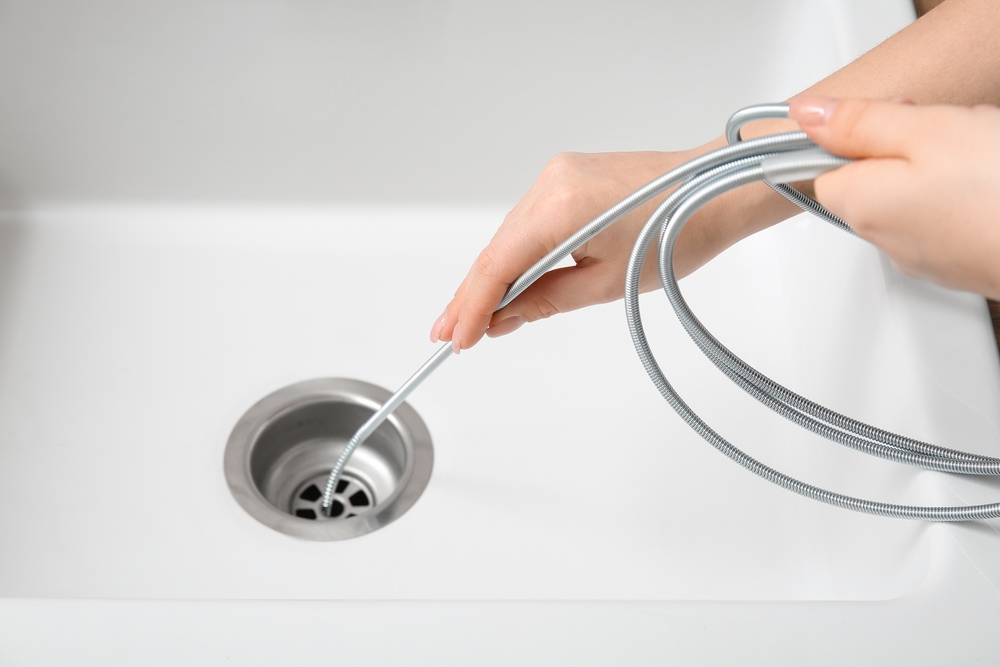
Drain Snakes (Hand Augers)
Manual drain snakes can reach deeper into pipes to pull out hair or break up small obstructions. They are inexpensive and widely available at hardware stores.
Baking Soda and Vinegar
This natural remedy creates a fizzy chemical reaction that may help loosen minor buildup. While safer than chemical cleaners, it’s typically only effective for light clogs.
Chemical Drain Cleaners
Store-bought drain cleaners use harsh chemicals to dissolve clogs. They promise fast results and are often marketed as a simple fix.
The Risks Associated With Chemical Drain Cleaners
Chemical drain cleaners are among the most commonly used DIY solutions, but they come with significant risks, including:
- Pipe Damage: The harsh chemicals in these products generate heat as they react with clogs. This heat can weaken or warp PVC pipes and corrode older metal plumbing.
- Environmental Concerns: Chemical cleaners introduce toxic substances into your plumbing system and wastewater supply, which can negatively impact the environment.
- Health Hazards: If splashed or inhaled, chemical cleaners can cause skin irritation, respiratory problems, and eye injuries.
- Temporary Fixes: In many cases, chemical cleaners only create a small opening in the clog rather than removing it completely. This allows buildup to return quickly.
Using chemical drain cleaners repeatedly can also compound pipe damage and lead to costly repairs down the road.
Signs That Indicate There’s a Deeper Plumbing Issue
Sometimes, a slow drain isn’t just a simple clog; it’s a symptom of a larger plumbing problem. So, in addition to dealing with a frequently clogged tub drain, you may also experience:
- Multiple slow drains in your home at the same time
- Gurgling sounds coming from drains or toilets
- Foul odors that persist despite cleaning
- Water backing up into other fixtures
- Recurring clogs in the same drain
These issues may indicate a blockage in your main sewer line, and DIY solutions are unlikely to resolve the root problem.
The Advantages of Professional Drain Cleaning Services
When clogs become persistent or severe, professional drain cleaning offers a safer and more effective solution for clearing clogs.
In-Depth Camera Inspections
Professional plumbers use advanced camera equipment to inspect the inside of pipes. This allows them to pinpoint the exact location and cause of the blockage, ensuring targeted and accurate treatment.
Access to Hydro-Jetting
Hydro-jetting uses high-pressure water to thoroughly clean the inside of pipes. Unlike chemical cleaners that only dissolve part of a clog, hydro-jetting removes grease, scale, and debris completely, restoring pipes to near-original condition.
Long-Term Prevention
Professional cleaning doesn’t just clear current clogs; it helps prevent future ones. By removing buildup along pipe walls, plumbers reduce the likelihood of recurring blockages.
Safe and Efficient Results
Licensed plumbers understand the proper pressure levels and tools required for different pipe materials. This ensures effective cleaning without damaging your plumbing system.
How Professional Services Protect Your Plumbing System
Your plumbing system is a significant investment. Improper drain cleaning methods can shorten the lifespan of your pipes and lead to leaks or structural damage. A professional drain cleaning, however, protects your system by:
- Avoiding corrosive chemicals
- Identifying early signs of pipe deterioration
- Addressing root intrusion safely
- Ensuring proper water flow throughout the system
By resolving the issue correctly the first time, you minimize the risk of emergency repairs and water damage.
Making the Right Choice for Your Home
So, do you need a plumber for drain cleaning?
If you’re dealing with a minor, isolated clog and feel comfortable using a plunger or drain snake, a DIY approach may be sufficient. However, if clogs are recurring, affecting multiple fixtures, or accompanied by unusual noises or odors, it’s time to call a professional.
Choosing professional service early can save you time, frustration, and money in the long run.
Call Saffer Plumbing for Help Clearing Your Drains
At Saffer Plumbing, we use advanced tools and proven techniques to clear clogs safely and effectively. With capabilities like camera inspections and hydro-jetting, our experienced team identifies the source of the problem and delivers lasting solutions.
If you’re ready to say goodbye to your drain problems, schedule a drain cleaning service in Baltimore with Saffer Plumbing today. We’ll restore your plumbing system to peak performance in no time.