Frozen Pipe Repair in Baltimore, MD
When temperatures drop in Baltimore, the water inside your plumbing can freeze, and as the water freezes, it expands, building pressure inside the pipe until it cracks or bursts. That’s why a frozen pipe can turn into a major emergency fast: one split line can dump gallons of water into your home the moment it thaws. Thankfully, Saffer Plumbing can respond quickly, thaw pipes safely, and complete dependable repairs that help prevent repeat freeze-ups.
If you think a pipe is frozen, schedule a service right away so we can restore flow and protect your home!
Common Causes of Frozen Pipes in Baltimore Homes
Have you ever wondered why your neighbor’s pipes stay perfectly fine while yours seem to freeze every time the thermostat hits 20 degrees? The problem can likely be traced back to one or more of the following problems:
Read More
Poor Insulation
Older Baltimore rowhomes and houses can have plumbing that was installed long before modern insulation standards were common. Now, pipes in basements, crawlspaces, or near exterior masonry walls often freeze because they’re exposed to the cold air.
Do you have pipes running through a garage, attic, or addition? Those areas tend to be underheated or poorly insulated, which means the temperature around your plumbing can dip below freezing even if your main living space feels comfortable. In fact, most of our frozen pipe repair services deal with lines in these spaces.
Air Leaks
Drafts that sneak in through cracks around windows, foundation openings, or rim joists can funnel cold air right onto pipe lines, freezing them faster than homeowners expect.
A quick example: a cabinet under the kitchen sink might seem protected, but if that sink backs up to an exterior wall and the cabinet doors stay closed, cold air can settle there and freeze the water line. This is especially common during overnight temperature drops.
No Water Movement
When water sits still in a pipe during freezing temperatures (like overnight or while you’re away), it has more time to freeze solid, particularly in narrow supply lines.
Power Disruptions
Power outages can also lead to frozen pipes. When heat shuts off during a winter storm, indoor temperatures can fall quickly, putting pipes at risk even in spaces that are usually warm.
Signs You Have a Frozen Pipe
How can you tell if you’re dealing with a frozen line before the water starts spraying everywhere? Watch out for these telltale signs that you need a frozen pipe repair from our team in Baltimore, MD:
- A Drop in Water Pressure: Is your faucet barely trickling or not working at all? One of the most obvious signs of a frozen pipe is a sudden loss of water pressure, especially at a single fixture like a bathroom sink, kitchen sink, or shower.
- Strange Sounds: You may hear gurgling, whistling, or banging noises when you turn a faucet on, which can happen as water tries to push past an ice blockage.
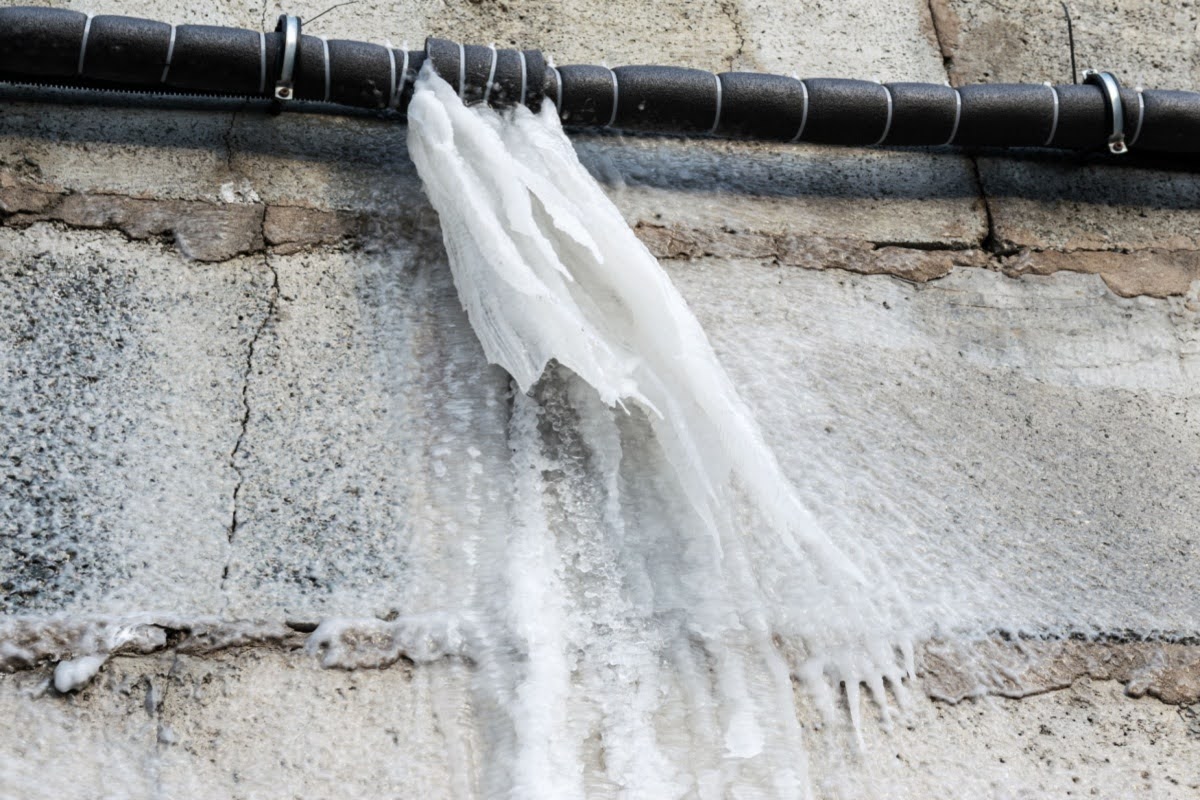
- Visible Freezing of Exposed Pipes: Frost on the outside of a pipe, visible ice, or an unusually cold section of line can indicate that the pipe has frozen or is on its way to completely freezing.
- Foul Odors: If a drain or sewer line freezes or a trap becomes blocked by ice, odors can come up through sinks or tubs because the plumbing system isn’t venting or draining properly.
- Water Damage: Damp drywall, bubbling paint, water stains, or puddling near baseboards can mean a pipe has already cracked.
Signs You Have a Frozen Pipe
How can you tell if you’re dealing with a frozen line before the water starts spraying everywhere? Watch out for these telltale signs that you need a frozen pipe repair from our team in Baltimore, MD:
- A Drop in Water Pressure: Is your faucet barely trickling or not working at all? One of the most obvious signs of a frozen pipe is a sudden loss of water pressure, especially at a single fixture like a bathroom sink, kitchen sink, or shower.
- Strange Sounds: You may hear gurgling, whistling, or banging noises when you turn a faucet on, which can happen as water tries to push past an ice blockage.
- Visible Freezing of Exposed Pipes: Frost on the outside of a pipe, visible ice, or an unusually cold section of line can indicate that the pipe has frozen or is on its way to completely freezing.
- Foul Odors: If a drain or sewer line freezes or a trap becomes blocked by ice, odors can come up through sinks or tubs because the plumbing system isn’t venting or draining properly.
- Water Damage: Damp drywall, bubbling paint, water stains, or puddling near baseboards can mean a pipe has already cracked.
Read More
Our Frozen Pipe Repair Process at Saffer Plumbing
Frozen pipes are stressful, but you don’t have to guess your way through it. Our team focuses on safe thawing, accurate diagnosis, and repairs that reduce the likelihood of another freeze the next time Baltimore gets hit with a cold snap.
An In-Depth Evaluation
The first step is assessing the situation and identifying any immediate risks. If a pipe is frozen and pressurized, the thawing process must be handled carefully to avoid sudden bursts or worsening existing cracks.
How do we find the right spot without tearing your home apart? We start by inspecting common freeze zones, including exterior walls, basements, crawlspaces, garages, and under-sink runs, and then we narrow down the likely blockage based on which fixtures are affected and how your plumbing is laid out.
Controlled Thawing
When it’s time to thaw frozen pipes, we use professional techniques designed to warm the pipe gradually and evenly. This controlled approach helps reduce pressure spikes and protects surrounding materials. We also check the area as the line opens up, because a cracked pipe may not leak until the ice clears.
Repairing Cracked or Burst Piping
If the pipe has been compromised, we’ll complete the plumbing repair using materials and methods appropriate for the line type and location. That could mean replacing a damaged section or reinforcing vulnerable connections.
Final Testing and Cleanup
Once the piping repairs are complete, we verify water flow, check for leaks, and ensure the affected fixtures are operating normally. We’ll also share simple do’s and don’ts for the next 24 hours, since certain areas can refreeze if temperatures stay low.
How to Prevent Frozen Pipes
Preventing a plumbing disaster is much easier (and cheaper) than repairing one. These simple steps can help you avoid needing to call a frozen pipe plumber in Baltimore, MD:
- Insulate Exposed Pipes: Wrap pipes in unheated areas with foam sleeves or UL-listed heat tape.
- Seal the Gaps: Use caulk or spray foam to seal holes where pipes enter through exterior walls.
- Use the Drip Method: On the coldest nights, let your faucets drip slightly to keep water moving and relieve pressure.
- Open Cabinet Doors: Allow warm air from your home to circulate around the plumbing under your sinks.
- Disconnect Hoses: Always remove garden hoses and shut off interior valves to outdoor faucets before winter.
Request Frozen Pipe Repair in Baltimore, MD
Frozen pipes are time-sensitive, and delaying action can lead to flooding and costly property damage once the pipe thaws. So, if you’re dealing with low water pressure, no water at a fixture, or signs of freezing anywhere in your plumbing, turn to the frozen pipe plumbing professionals at Saffer Plumbing. We can carefully thaw piping and complete repairs that protect your home.
Contact our team today to fix frozen pipes in your Baltimore home!