For many homeowners in Baltimore, water heaters are taken for granted, as people rely on them to provide hot water for showers, laundry, and dishes, but rarely give them any thought. Unfortunately, this means that poor water quality can have a significant impact on how efficiently your water heater operates and how long it lasts.
Hard water, which contains high levels of calcium and magnesium, is a common culprit behind reduced efficiency, mineral buildup, and premature system wear. Installing a water softener, therefore, can protect your water heater from the damaging effects of hard water, improve energy efficiency, and reduce maintenance needs.
What Hard Water Does to Your Water Heater
Hard water contains dissolved minerals — primarily calcium and magnesium — that can accumulate inside your water heater over time. This buildup, often called scale or sediment, can cause several problems:
- Reduced Efficiency: Mineral deposits act as an insulator on heating elements or tank surfaces, forcing your water heater to work harder and consume more energy to heat the same amount of water.
- Shortened Lifespan: Persistent scale buildup can corrode tank interiors and damage heating elements, leading to premature water heater failure.
- Decreased Hot Water Flow: Sediment can clog pipes and reduce water pressure, making it harder for hot water to reach faucets and showers.
- Higher Maintenance Costs: Tanks with significant mineral accumulation often require more frequent flushes, repairs, or even replacement.
In essence, hard water doesn’t just affect the water you use; it directly impacts the efficiency, reliability, and longevity of your water heating system.
The Benefits of Using a Water Softener
A water softener treats hard water before it enters your plumbing system, offering a range of benefits for both your water heater and your home’s overall plumbing:
Extended Water Heater Lifespan
By preventing mineral buildup, water softeners reduce wear and tear on your water heater. A water softening system helps your tank and heating elements last longer, delaying the need for costly water heater replacement.
Improved Efficiency and Lower Energy Bills
Without scale insulating the heating element, water heaters can heat water more efficiently. This efficiency translates to lower energy usage and reduced utility costs over time.
Cleaner Plumbing and Fixtures
Softened water reduces scale in pipes, faucets, and showerheads, which helps maintain consistent water flow and prevents clogs. It also protects other appliances that use hot water, like dishwashers and washing machines.
Less Maintenance Required
Homes with a water softener require fewer tank flushes and repairs. This saves homeowners time, money, and stress while maintaining reliable hot water throughout the home.
Better Soap Performance and Reduced Stains
Soft water also helps soap lather more effectively and prevents mineral stains on sinks, tubs, and dishes, improving overall home cleanliness.
How Water Softeners Work
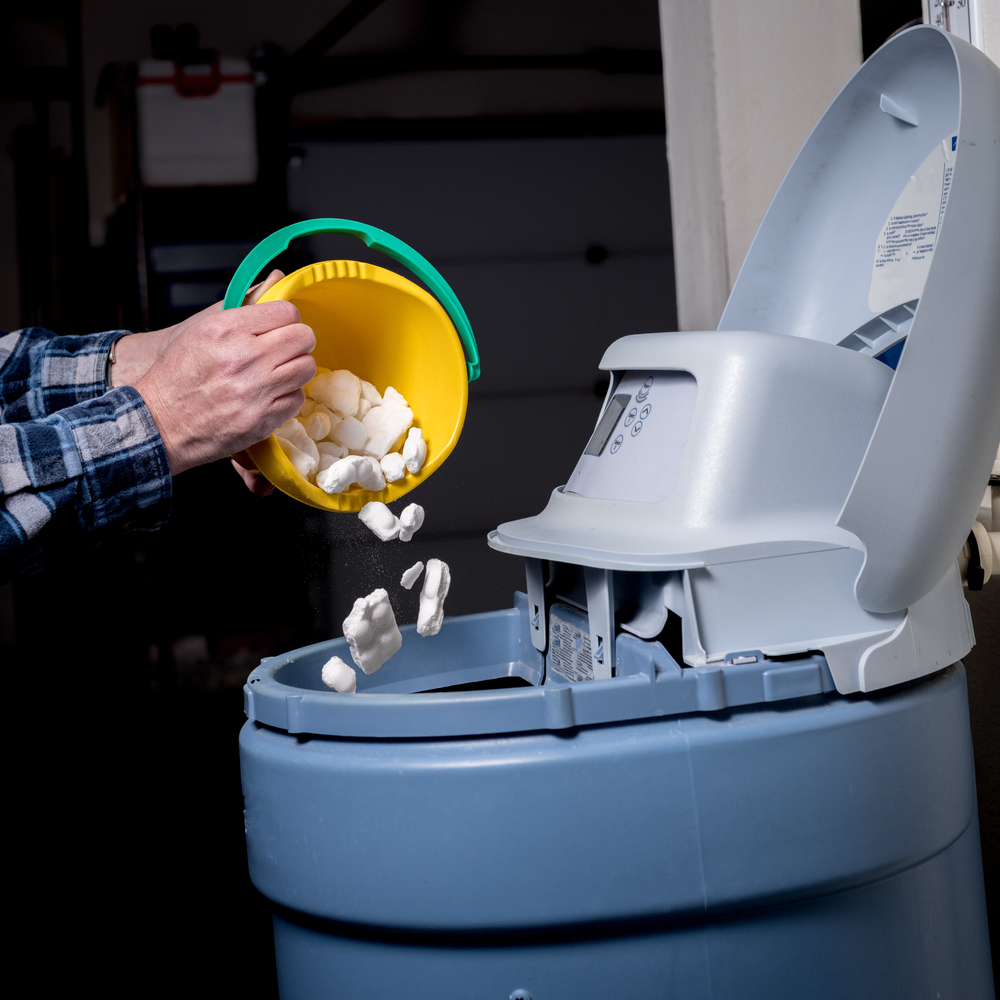
Water softeners use a process called ion exchange to remove calcium and magnesium from hard water. The overall process typically looks like this:
- Hard water enters the softener tank and passes through resin beads coated with sodium or potassium ions.
- The resin beads attract and capture the calcium and magnesium ions, replacing them with sodium or potassium ions.
- The result is softened water that flows through your pipes, appliances, and water heater.
Most modern water softeners also include a regeneration cycle, which periodically flushes the resin beads with a brine solution to restore their effectiveness.
Signs Your Home Needs a Water Softener
If you’re unsure whether a water softener is right for your home, look for common indicators of hard water:
- White or chalky scale buildup on faucets, showerheads, or dishes
- Soap scum in sinks, tubs, or showers
- Stiff laundry that feels rough even after washing
- Low water pressure caused by mineral accumulation in pipes
- Frequent need to flush or repair your water heater
If you notice any of these issues, installing a water softener can protect your plumbing system and prevent future problems.
Protect Your Water Heater and Home Plumbing With a Water Softener Installation
A water softener is a smart investment for Baltimore homeowners looking to extend the life of their water heater, improve efficiency, and reduce plumbing maintenance. By preventing mineral buildup, softened water keeps your appliances running smoothly and your home’s plumbing in optimal condition.
At Saffer Plumbing, we provide professional water softener services to help homeowners protect their water heaters and improve overall water quality. Our experienced team can assess your home’s water hardness and recommend a solution tailored to your needs and budget.
To get started, contact us today. We’ll make sure you get a system that protects your tank or tankless water heater from the damaging effects of hard water.