
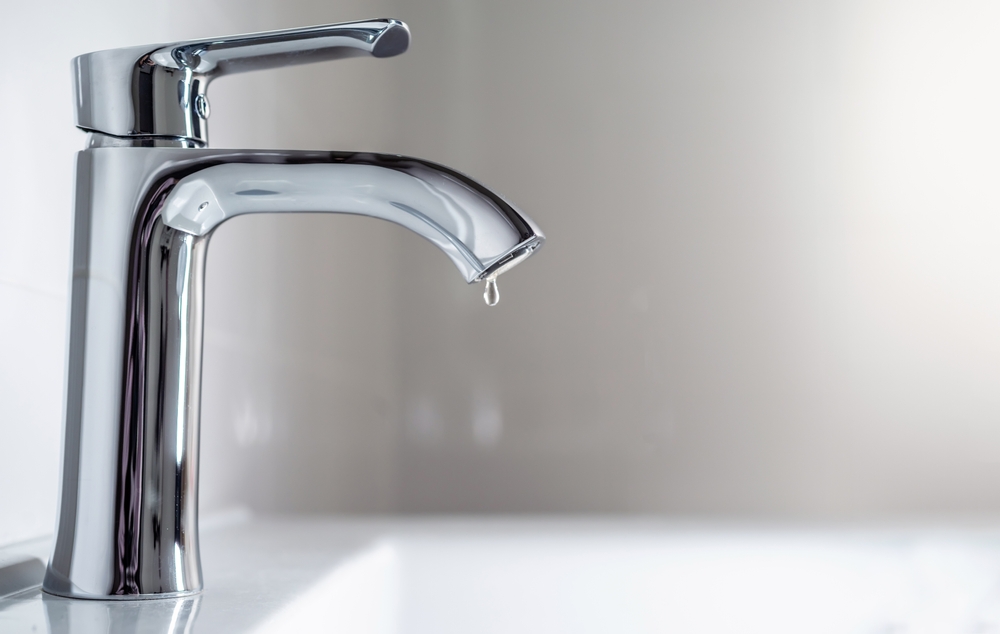
Did you know that a single dripping faucet can waste more than 3,000 gallons of water per year? That’s enough water for hundreds of showers — or a noticeable spike in your monthly utility bill. What may seem like a harmless “drip… drip… drip” can eventually strain your plumbing system and cost you money over time.
Many homeowners are tempted to ignore a small faucet leak, especially if it’s not causing visible damage. Others head straight to the hardware store, determined to fix it themselves. While some faucet repairs are manageable DIY projects, others require professional expertise to prevent bigger problems.
So, how do you know which route to take? Let’s break down the most common causes of leaky faucets, what you can fix yourself, and when calling a professional like Saffer Plumbing is the smarter investment.
The Most Common Causes of Leaky Faucets
Before you can fix a leaky faucet, it’s important to understand what’s causing the problem. Faucets contain multiple small components that experience daily wear and tear, and at any point, any of these parts can become the reason a faucet drips incessantly.
Here are the most common reasons faucets start dripping:
1. Worn Washers
In compression faucets (often found in older homes), a rubber washer presses against a valve seat to stop water flow. Over time, friction causes the washer to wear out, leading to leaks.
2. Damaged Cartridges
Cartridge faucets rely on a movable stem cartridge to control water flow. If the cartridge becomes cracked or worn, water may continue to seep through even when the handle is turned off.
3. Corrosion
Mineral buildup and corrosion inside faucet components can prevent a tight seal. Hard water areas are especially prone to this issue.
4. Loose or Worn O-Rings
O-rings help seal the faucet handle. If they loosen or deteriorate, leaks often appear around the base of the handle.
5. High Water Pressure
Excessively high water pressure can strain internal faucet parts, causing leaks that occur only at certain times, such as overnight. Identifying the true cause of the faucet leak is essential before attempting a repair.
Basic DIY Steps for Fixing Different Faucet Types
If you’re comfortable with light plumbing work, you may be able to fix a simple faucet leak yourself. However, the repair process depends on the faucet type.
Compression Faucets
- Turn off the water supply under the sink.
- Remove the decorative cap and unscrew the handle.
- Use a wrench to remove the packing nut and stem.
- Inspect and replace the rubber washer at the bottom.
- Reassemble and test the faucet.
Ball Faucets
- Turn off the water supply.
- Remove the handle and cap.
- Carefully lift out the ball assembly.
- Replace worn seals and springs using a repair kit.
- Reassemble and test.
Ball faucets contain multiple small parts, so organization is key during disassembly.
Cartridge Faucets
- Shut off the water.
- Remove the handle and retaining clip.
- Pull out the old cartridge.
- Install a manufacturer-approved replacement.
- Reassemble and test the new setup.
Matching the exact cartridge model is critical for success.
Ceramic Disk Faucets
- Turn off the water supply.
- Remove the handle and escutcheon cap.
- Unscrew the disk cylinder.
- Clean the seals and replace them if worn.
- Reassemble everything carefully.
These faucets are durable but can be sensitive to incorrect reassembly.
Tools Homeowners May Need for Simple Faucet Repairs
If you plan to tackle a leaky faucet repair yourself, having the right tools will make the process smoother:
- Adjustable wrench
- Screwdrivers (flathead and Phillips)
- Allen wrench set
- Plumber’s grease
- Replacement washers, O-rings, or cartridges
- Towel or bucket for catching excess water
- Needle-nose pliers
Please note that, while these tools are relatively affordable, purchasing multiple replacement parts without proper diagnosis can add up quickly.
The Risks of DIY Plumbing Mistakes
Although many faucet repairs seem straightforward, even small mistakes can lead to bigger issues.
Here are some common DIY pitfalls:
- Over-tightening parts and cracking components
- Installing the wrong cartridge model
- Damaging valve seats during removal
- Reassembling parts incorrectly
- Failing to fully stop the water supply before starting
In some cases, homeowners unintentionally cause leaks inside the cabinet or wall, leading to hidden water damage. A minor drip can quickly turn into warped cabinetry, mold growth, or costly structural repairs.
Additionally, misdiagnosing the issue may mean the faucet continues leaking after repairs, wasting both time and money.
When Hiring a Professional Plumber Is the Smarter Investment
There are clear situations where calling a professional plumber is the best choice:
- The faucet continues leaking after a DIY attempt.
- You notice corrosion inside the pipes.
- The leak is coming from under the sink or inside the wall.
- Water pressure seems unusually high.
- Multiple fixtures are leaking.
- The faucet is older and may need full replacement.
A professional plumber doesn’t just fix the visible leak; they inspect the surrounding plumbing system to ensure no underlying problems are present. At Saffer Plumbing, our technicians can quickly diagnose whether the issue is a simple worn washer or something more complex, such as pressure irregularities or supply line damage, and provide the necessary plumbing repairs.
The Long-Term Benefits of Professional Faucet Repair
Professional plumbers have the training and tools to:
- Identify hidden leaks.
- Detect high water pressure problems.
- Inspect shut-off valves and supply lines.
- Recommend energy-efficient fixture upgrades.
If your faucet is outdated, replacing it with a modern, water-saving model can further reduce your water bill and improve performance.
Trust Saffer Plumbing for Reliable Faucet Repairs
While some minor faucet issues can be handled with basic tools and a little patience, professional service ensures the job is done right the first time.
At Saffer Plumbing, we specialize in diagnosing and repairing faucet leaks quickly and correctly. Whether it’s a simple washer replacement, a full fixture upgrade, or troubleshooting a sputtering faucet, our experienced technicians provide dependable solutions that restore efficiency and peace of mind.
If you’re unsure whether to complete a DIY faucet repair or call a professional, know that we’re here to help. Contact us today for prompt, reliable recommendations.