
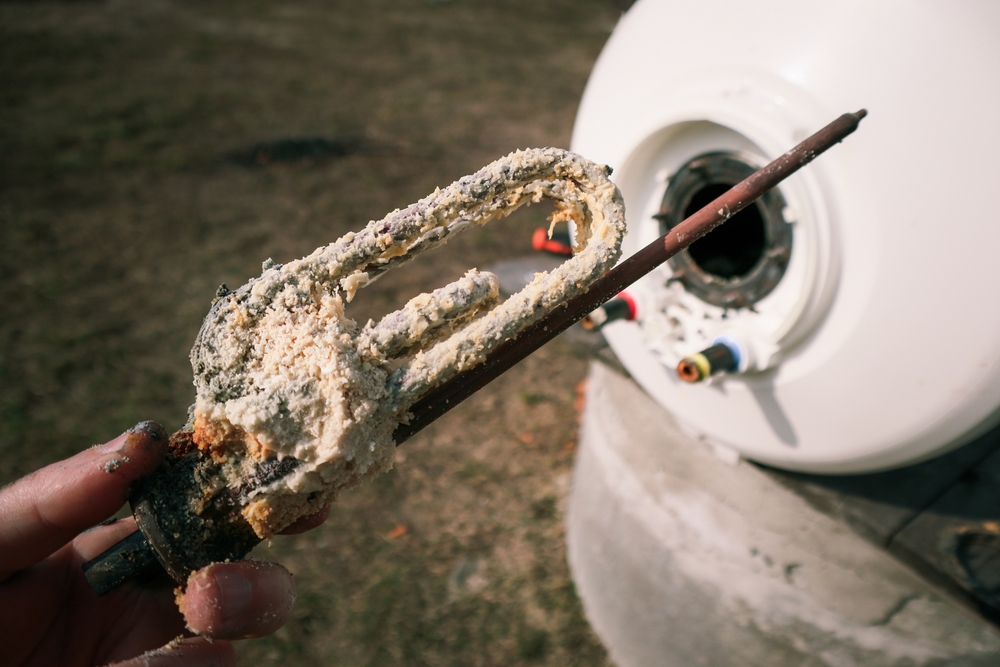
The white, chalky residue on your faucets and showerheads is one of the most familiar signs of hard water. But what most homeowners don’t realize is that the same minerals creating that crusty buildup on the outside of your plumbing fixtures can also be collecting inside your water heater.
Over time, hard water mineral deposits can shorten a water heater’s lifespan, reduce efficiency, and increase the risk of costly breakdowns. The good news is that many of these issues are preventable, especially when you pair routine maintenance with an expertly installed water softener that reduces mineral buildup at the source.
What Is Hard Water?
Hard water is simply water that contains high levels of dissolved minerals, primarily calcium and magnesium. These minerals aren’t harmful to drink for most people, but they can be rough on plumbing systems and appliances that heat water.
How Mineral Buildup Forms Inside a Water Heater
A water heater is basically a mineral magnet. Here’s why: heating water changes its chemistry. When hard water enters the tank (or passes through a tankless heat exchanger), the increase in temperature causes calcium and magnesium to precipitate out, meaning they turn from dissolved minerals into solid particles.
Those particles settle and collect:
- In Tank-Style Heaters: Minerals sink to the bottom and form a layer of sediment. Over time, that layer can harden into a dense crust.
- In Tankless Heaters: Minerals cling to the heat exchanger and internal waterways, slowly narrowing passageways and reducing heat transfer.
The longer the heater runs without maintenance, the thicker that mineral layer gets. And once buildup takes hold, it actively interferes with how your water heater works.
Problems Hard Water Can Cause for Water Heaters
Mineral buildup doesn’t always cause immediate failure. Instead, it often creates a chain reaction of smaller performance issues that eventually lead to major damage.
Here’s a closer look at the most common problems hard water can cause for water heaters:
Reduced Efficiency
Sediment acts like an insulating blanket between the burner or heating element and the water. Your heater has to work harder (and longer) to reach the temperature set on the thermostat. This means your water heating system uses more energy in the process.
Longer Heating Times
As heat transfer becomes less effective, it takes longer to warm up a full tank or deliver consistent hot water on demand. Showers that used to feel endless can suddenly start running cool faster than expected.
Strange Noises
If you’ve ever heard popping, crackling, or rumbling from your water heater, mineral buildup is a common culprit. After water gets trapped under sediment, it has to boil through the buildup, which creates noisy bursts and vibrations.
Inconsistent Temperatures
Hard water buildup can interfere with heating performance, causing water temperatures to fluctuate. One minute the shower is perfect, the next it’s lukewarm — or unexpectedly hot.
Clogged Components
Scale can clog drain valves, internal piping, filters, and (in tankless systems) the heat exchanger. Once components narrow or block, flow and performance drop.
Premature Wear and Increased Risk of Breakdown
When a system constantly strains to perform, parts wear faster. Heating elements, burners, thermostats, and other components can fail sooner than they should, often long before the unit reaches its expected lifespan.
Warning Signs Your Water Heater May Be Suffering From Mineral Buildup
Because mineral buildup happens gradually, it’s easy to miss. To help you stay ahead of major issues and the need for premature replacements, we’ve put together a list of warning signs that a water heater is being affected by hard water:
- Lukewarm water, even when the thermostat is set normally
- Fluctuating temps during showers, dishwashing, or laundry
- Noisy water heater operation, like rumbling, popping, or crackling
- Higher energy bills with no clear explanation
- Reduced water flow at hot-water fixtures
- Frequent repairs or recurring issues that don’t fully resolve
If you’re noticing one or more of these problems, it’s smart to have your water heater evaluated before minor inefficiency turns into a full loss of hot water.
Why Water Heater Maintenance Matters More With Hard Water
Most homeowners know water heaters need occasional service, but hard water makes maintenance far more important. Without regular care, mineral buildup compounds year after year, increasing stress on the entire system.
In contrast, routine water heater services help by:
- Flushing sediment out of the tank and other components before it hardens into thick scale
- Descaling tankless units to clear mineral deposits from the heat exchanger and internal channels
- Checking heating performance and spotting early signs of wear
- Extending lifespan by reducing the strain that buildup places on components
In areas with hard water, skipping maintenance can mean your heater works harder every day, wastes energy, and becomes more prone to breakdowns — all of which are definitely not something a homeowner would wish on their worst enemy.
How a Water Softener Protects Your Water Heater
Maintenance helps manage buildup, but a water softener helps prevent it in the first place.
A professionally installed water softener reduces the calcium and magnesium levels in your household water supply. That means fewer minerals enter your water heater, reducing the amount of scale forming inside the tank or on a tankless heat exchanger.
With softened water, homeowners often experience these benefits:
- Less sediment accumulation inside water heaters
- Improved efficiency and faster heating recovery times
- Quieter operation (less popping/rumbling from trapped water under sediment)
- More consistent temperatures at showers and fixtures
- Reduced risk of clogged components in both tank and tankless systems
- Longer water heater lifespan and fewer unexpected breakdowns
Let Saffer Plumbing Address Hard Water Issues
Mineral buildup can quietly chip away at your water heater’s performance until the day hot water disappears at the worst possible time — right before work, during a cold snap, or when guests are visiting. If you have hard water, speak to the plumbers at Saffer Plumbing about water heater maintenance and a water softener installation. We will help keep mineral buildup from turning into your next no-hot-water emergency.