
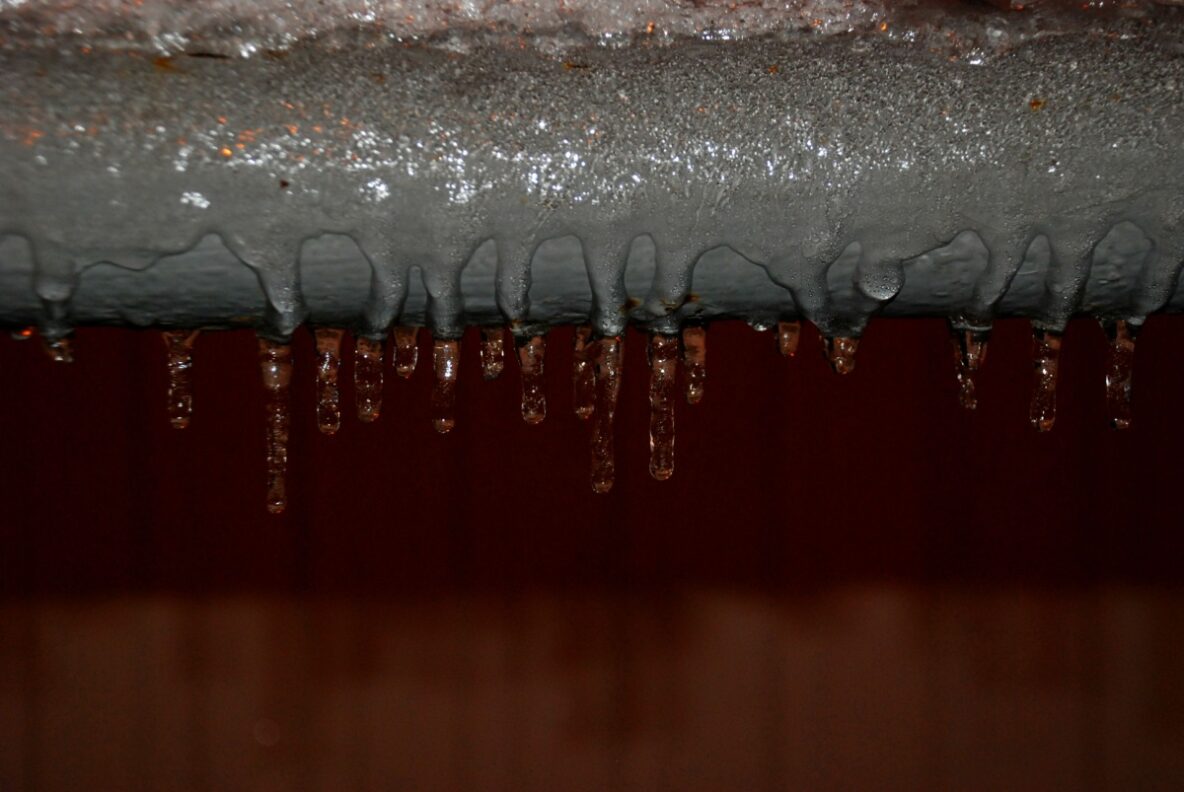
When freezing temperatures roll through Baltimore, it’s not just your car or sidewalks that feel the chill; your home’s plumbing is at risk, too. When water inside a pipe freezes, it expands, putting tremendous pressure on the pipe walls. This can cause the pipe to crack or burst, leading to serious flooding, extensive water damage, and expensive repairs.
At Saffer Plumbing, we know how stressful and costly a frozen pipe can be. That’s why we’re here to help you understand what to do if you suspect or discover a frozen pipe.
How to Tell if a Pipe Is Frozen
While you can’t always see a frozen pipe behind your home’s walls or in your basement or crawl space, there are usually clear warning signs that you have a potential blockage in the water or sewer line:
- No Water or a Mere Trickle: The most common and immediate sign of a frozen pipe is when only a few drops of water sputter out of a faucet. The trickle may continue or may eventually cease altogether. Regardless, this problem strongly suggests there’s an ice formation somewhere in the water line.
- Visible Frost: For exposed pipes, such as those under sinks, in basements, or in crawl spaces, you might be able to see a layer of frost or condensation on the exterior of the pipe. The pipe may also appear slightly swollen or bulging under the strain of the expanding ice.
- Gurgling Sounds: When you flush a toilet or run water in a sink, you might hear strange gurgling sounds as the water struggles to drain. This can happen when an ice blockage in the drain line or vent pipe is preventing proper flow and airflow.
- Strange Odors: If you notice unusual or unpleasant smells coming from a faucet or drain, it could indicate a frozen plumbing vent pipe. When this pipe freezes over, the gases can get trapped and forced back into your home through the drains.
Steps to Take if You Discover a Frozen Pipe
If you find a frozen pipe, resist the urge to fix it yourself. Without proper tools and training, you could cause more damage or even injure yourself. Instead, follow these steps to keep the situation under control until a licensed plumber arrives to perform the necessary sewer or water line repairs.
Step 1: Turn Off the Main Water Supply
The very first thing you should do is locate your home’s main water shut-off valve and turn it off. This will stop water from flowing into the frozen pipe and prevent a major leak if the pipe bursts while thawing.
In most Baltimore homes, the shut-off valve is near where the water line enters your home, often in the basement or utility room. If you’re unsure where it’s located, now is a good time to find it. It may have a wheel-style handle (which needs to be shut off by being turned clockwise until it’s tight) or a lever-style handle (which can be shut off with a quarter-turn so that the handle is perpendicular to the pipe).
Step 2: Shut Off the Electricity in the Affected Area (If Necessary)
If you notice water is already pooling or simply suspect a leak has started, switch off the electricity to that area at your breaker panel. This prevents potential electrical hazards if water comes into contact with wiring or outlets.
Step 3: Open the Affected Faucet
Once the main water is off, go to the faucet connected to the frozen pipe and open both the hot and cold handles. This step serves two vital purposes. First, it relieves the existing pressure trapped in the pipe between the ice blockage and the faucet. Second, as you begin to thaw the pipe, it creates a clear exit path for the melting ice and steam, preventing a secondary pressure buildup that could also cause a rupture.
Step 4: Apply Gentle Heat to the Pipe
Your goal is to slowly and gently warm the pipe to melt the ice plug. The key word here is “gently.” DO NOT use an open flame or high-heat device on the pipe!
Open cabinet doors under sinks to let warm air circulate around exposed pipes and turn up your home’s thermostat. Then, use space heaters in the room or area of the house with the frozen pipe. Be sure to keep the heater away from anything flammable. Alternatively, you can use a hair dryer or towels soaked in hot water to thaw the frozen pipe.
Step 5: Call a Professional Plumber
While the pipes are thawing, call a professional plumber. This step is necessary because you have no way of knowing if the pipe has been compromised. It may have developed a hairline crack or a weakened joint that could fail later. Your local plumber will have the tools and expertise needed to inspect the pipe thoroughly and ensure it’s structurally sound. They can also identify why the pipe froze in the first place and recommend permanent solutions.
How to Prevent Your Pipes from Freezing in the Future
While no prevention plan is 100% foolproof, there are practical steps you can take to drastically reduce your risk of frozen pipes during Maryland’s cold snaps:
- Insulate Your Pipes: Any pipes located in unheated or poorly heated areas are at high risk of freezing. This includes pipes in the attic, basement, crawl space, garage, or running along exterior walls. Use pipe sleeves, heat tape, or heat cables to protect them.
- Seal Air Leaks: Use caulk or spray foam insulation to seal any cracks, holes, or openings in your foundation, walls, and around window frames.
- Protect Outdoor Faucets: Disconnect, drain, and store all garden hoses before the first frost. If you don’t have a frost-proof spigot, shut off the interior valve that supplies water to the outdoor faucet and drain the line.
- Let Faucets Drip: During periods of extreme cold, locate the faucet that is furthest from where your main water line enters the house. Let a small, steady trickle of cold water run from it overnight. The constant movement of water through your plumbing system makes it much more difficult for it to freeze.
- Maintain a Consistent Indoor Temperature: It can be tempting to lower your thermostat at night or when you leave for work, but these temperature drops can be enough to allow pipes to freeze. It’s safer to keep your home at a consistent temperature throughout the day and night.
- Open Cabinet Doors: For pipes under kitchen and bathroom sinks, especially those on an exterior wall, open the cabinet doors. This allows the warmer air from your home to circulate around the pipes and keeps them above freezing temperatures.
When a Plumbing Emergency Strikes, We’re Here to Help
Even when you diligently follow our tips for preventing frozen pipes in the winter, the unexpected can still happen. In these stressful moments, you can have peace of mind knowing that you have a team you can trust to respond quickly and work efficiently. At Saffer Plumbing, our licensed and experienced plumbers are equipped to handle any challenge, from thawing frozen pipes to completing sewer line repairs. We also offer same-day service whenever possible to restore your home’s safety and comfort without delay. So, if you need help fixing a frozen pipe, schedule a service with us today!