
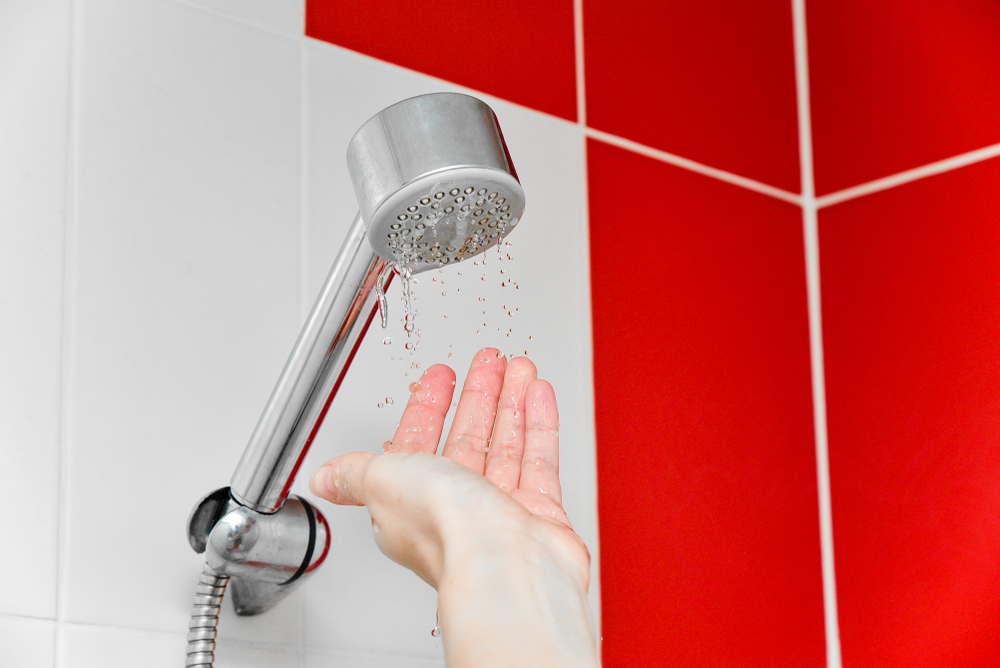
Have you ever stepped into the shower, ready to start your day, only to be greeted by a disappointing trickle of water? Low water pressure can certainly be annoying, often turning simple tasks like washing dishes or watering the garden into time-consuming chores.
Understanding the causes of low water pressure and knowing how to fix them is the key to maintaining a comfortable and efficient home. Take a look at the most common culprits behind weak water flow and get practical solutions on how to increase your water pressure.
1. Clogged Pipes
One of the most common causes of low water pressure is clogged pipes. Over time, mineral deposits, rust, and debris can accumulate inside pipes, leading to blockages that restrict water flow. This is especially prevalent in homes with hard water, where mineral buildup can be significant.
Regular pipe maintenance is key to preventing clogs. You can use a water softener to minimize mineral deposits and schedule periodic cleanings to ensure that your pipes are free of obstructions.
2. Faulty Pressure Regulator
A pressure regulator is a device that controls the water pressure entering your home from the main water line. If it’s not functioning correctly, it can lead to low water pressure throughout your house.
To determine if a faulty pressure regulator is causing your water woes, check the device for signs of wear or damage. You may need to adjust the regulator to increase water pressure in your house. If adjusting it doesn’t fix the problem, consider replacing the regulator entirely. A professional plumber can help diagnose and fix issues with a pressure regulator efficiently.
3. Leaks in the Plumbing System
Leaks are another common cause of low water pressure. Identifying and fixing leaks can be straightforward if they are visible, such as under sinks or around water heaters. However, hidden leaks might require more investigation.
Check your water meter before and after a period of non-use, as a change in readings can indicate a leak. For comprehensive leak detection and repair, reach out to your local plumbers. We can help with everything from pinhole leaks to burst pipes.
4. Municipal Water Supply Issues
Sometimes, the cause of low water pressure is beyond your control. Municipal water supply problems, such as maintenance work or supply restrictions, can lead to reduced pressure in your home.
If you notice a sudden drop in pressure, it’s worth checking with your local water utility to see if there are known issues in your area. They can provide information on any ongoing maintenance or unexpected supply disruptions and offer advice on potential solutions. While you wait for the situation to be resolved, consider adjusting your water usage patterns to manage the lower pressure.
5. Corroded Plumbing
Older homes may suffer from corroded pipes, which can restrict water flow and lead to low water pressure. Corrosion can occur in both metal and copper pipes, causing blockages and leaks over time. If your house has older plumbing and you’re experiencing persistent water pressure issues, it may be time for a professional evaluation.
Replacing corroded pipes can be a significant but necessary investment to restore adequate water pressure and improve the overall efficiency of your plumbing system. A residential plumber can assess the condition of your pipes and recommend the best course of action to fix the low water pressure in your house.
6. Water Valve Issues
The main and shut-off water valves in your home must be fully open for optimal water flow. Sometimes, these valves can be partially closed or accidentally moved during maintenance or renovations, leading to decreased water pressure. Check each valve to make sure it is open. The main valve is typically near the water meter, while shut-off valves are near sinks and toilets.
7. High Water Demand
Another common reason for low water pressure is high water demand, particularly when multiple water-using appliances and fixtures are in use simultaneously. For example, running the dishwasher and washing machine while taking a shower can lead to noticeable drops in pressure.
To fix this, try staggering your water usage by scheduling appliances and activities at different times. Additionally, installing a pressure-boosting pump can help maintain adequate pressure levels, even during peak usage periods. This simple adjustment can significantly increase water pressure in your house and improve your overall experience.
Tips for Addressing Low Water Pressure at Home
If you’re dealing with weak water flow and you’re not sure where to start, a few simple checks can help you narrow down the cause (and sometimes fix the issue on the spot). Follow these steps if you’re unhappy with your home’s water pressure:
- Clean Faucet Aerators and Showerheads: Mineral buildup can clog small openings and restrict flow. Unscrew the aerator/showerhead, rinse out debris, and soak it in vinegar to help dissolve deposits.
- Check for Partially Closed Valves: Make sure the main shut-off valve near the water meter is fully open, along with any fixture shut-off valves under sinks or behind toilets. Even being slightly closed can reduce pressure more than you’d think.
- Pay Attention to Timing and Water Usage: If pressure drops mostly when appliances are running, your home may be experiencing high demand. Try spacing out showers, laundry, and dishwashing to reduce strain on the system.
- Inspect Your Whole-Home Water Filter: If your home uses a filtration system, a dirty or expired cartridge can act like a wall for your water supply. Regularly changing these filters according to the manufacturer’s instructions ensures that you aren’t sacrificing pressure for purity.
If these tips don’t solve the problem, or if you suspect a leak or corroded pipe, bringing in a professional is the best next step to protect your plumbing and restore strong, steady flow.
Low Water Pressure Issues Dampening Your Day? Call Saffer Plumbing!
While regular maintenance and timely intervention can prevent many common issues, persistent or complex problems may require professional help. If you’re having trouble fixing low water pressure problems, call the experts at Saffer Plumbing in Baltimore, MD. We will begin the professional plumbing repair with a comprehensive assessment of your system so we can implement lasting solutions that keep water pressure levels at optimal points.
Contact us today to request an appointment and trust us to deliver the necessary water line repair!
Quick Answers to Questions About Low Water Pressure in the Home
What causes low water pressure in your home?
Low water pressure can come from several sources, including clogged pipes or fixtures, partially closed water valves, a faulty pressure regulator, plumbing leaks, corroded piping, or high water demand when multiple fixtures run at once. In some cases, the issue may be tied to municipal water supply work or restrictions.
Are water pressure issues in older homes common?
Yes, older homes often experience poor water pressure due to aging plumbing. Specifically, corroded galvanized pipes, mineral buildup, outdated fittings, or deteriorating shut-off valves can reduce water flow over time.
How can I tell if low water pressure is isolated to one fixture or the whole house?
Check multiple faucets and showers. If only one fixture is affected, the problem is often a clogged aerator, showerhead, or fixture-specific shut-off valve.
If several fixtures have low pressure, the cause is more likely related to the main water line, pressure regulator, or a leak.
Why does my water pressure drop when I run the dishwasher or washing machine?
That’s usually due to high water demand. When multiple water-using appliances and fixtures run at the same time, pressure can drop. Staggering water usage can help, and, in some cases, a pressure-boosting solution may be recommended.
Does a water softener affect water pressure?
It can. If a water softener is undersized for the home’s needs or if the internal resin bed has become clogged with sediment, it can act as a bottleneck for your entire plumbing system. Regularly servicing your softener can help prevent this from happening.
When should I call a plumber for poor water pressure?
If cleaning fixtures and confirming valves are open doesn’t help, it’s time to call a professional. Consistently low pressure can signal a bigger problem that needs expert attention.